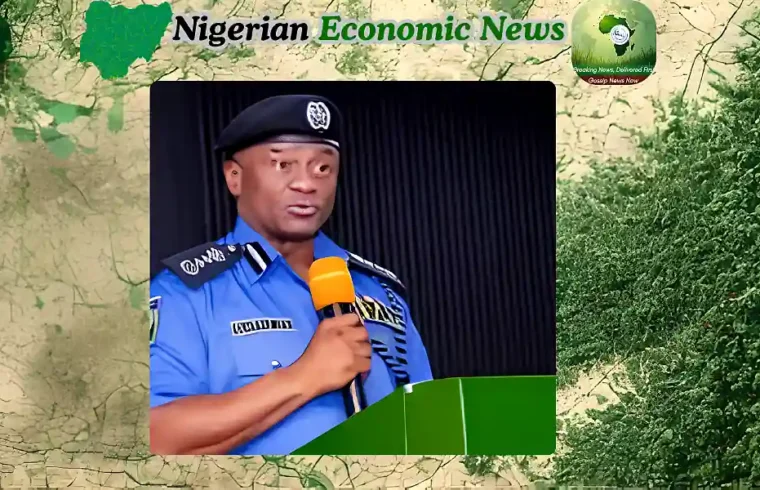
Three Senior Advocates of Nigeria have challenged the position attributed to Inspector-General of Police Olatunji Disu on Nigerians recording police officers while they are carrying out their duties in public.
The lawyers — Olu Daramola, Olalekan Ojo and Isiaka Olagunju — offered different perspectives on the issue, but all three addressed the importance of citizens being able to document police activities, particularly where such recordings may assist transparency and accountability.
The debate follows comments by Disu in which he criticised a court decision encouraging Nigerians to record police officers in certain situations, describing the development as “very, very demoralizing” for the police.
At the centre of the disagreement is a simple but important question: Can the police prevent Nigerians from recording officers performing their duties in public?
The Court Judgment At The Centre Of The Dispute
According to Daramola, the legal position has already been addressed by the Federal High Court.
In a statement issued on Friday, September 11, 2026, the SAN referred to the judgment of Justice Hyeladzira Nganjiwa in Maxwell Uwaifor v Inspector-General of Police, saying the decision recognised the right of members of the public to record police officers while on duty in public spaces.
Daramola said the judgment, which he stated was delivered in March 2025, remains binding and in force.
He also pointed to other elements of the judgment, including requirements concerning the identification of police officers.
According to him, the court ordered officers to display visible name tags and force numbers, making it easier for members of the public to identify them.
He further said the judgment prohibited officers from taking citizens’ mobile phones or deleting footage recorded by members of the public.
Daramola’s position is that the police cannot simply override a judicial decision through an administrative pronouncement.
What Section 39 Means In This Debate
Daramola also connected the issue to Section 39 of the 1999 Constitution, which provides for freedom of expression and the right to receive and impart information.
His argument is that documenting public officials while they perform their duties falls within that broader constitutional protection, provided the person recording does not interfere with the officer’s lawful activities.
“The only limitation is that you cannot obstruct or prevent a police officer from performing his lawful duties,” Daramola said.
He also argued that public recording of police activities should not be viewed as something unusual, noting that officers in several countries use body cameras while performing their duties.
For Daramola, the key distinction is therefore between recording an officer and obstructing an officer.
He said a police officer acting lawfully should have no reason to fear being recorded and maintained that the position of the Nigerian Bar Association reflects the law.
Ojo: Recordings Can Help Preserve Evidence
Olalekan Ojo also supported the position that citizens should be able to record police officers on duty.
His argument, however, went beyond the question of transparency.
Ojo described recordings as a form of evidence gathering and preservation, pointing to situations where footage could help establish what happened during an encounter between police officers and members of the public.
He argued that recordings could also make officers more conscious of their conduct.
“If the police know, as they now know, that their activities may be recorded, then they will be much more careful as to what they do in the course of discharging their duties,” he said.
In his view, the possibility of being recorded could encourage greater transparency and responsible conduct.
He also argued that footage can become important when allegations of misconduct arise, particularly where the evidence may otherwise depend entirely on conflicting accounts from the people involved.
But There Is A Safety Question
Ojo’s position came with an important qualification.
While supporting the right to record, he warned that citizens should consider the circumstances before taking out their phones.
He said he had witnessed situations where police officers became angry after discovering they were being recorded.
According to Ojo, an officer who believes footage could expose misconduct or result in disciplinary consequences might attempt to seize or destroy the recording device or could potentially react violently.
That, he suggested, may explain part of the concern behind the IGP’s position.
His advice was therefore not to confuse having a right to record with being required to record in every situation.
“If it is safe to record, go ahead and record,” Ojo said, while cautioning citizens against taking unnecessary risks when the circumstances could put them in danger.
Olagunju Acknowledges The Police Safety Concern
Isiaka Olagunju offered another qualification to the debate.
He acknowledged that the IGP could have legitimate concerns relating to the privacy and safety of police officers.
However, he maintained that such concerns should not automatically prevent citizens from recording public officials, particularly when officers are allegedly failing to perform their duties properly.
Olagunju said recordings made in such circumstances could promote accountability and provide evidence of misconduct.
“The IG may be right to some extent because of privacy and safety of the police officers,” he said.
But he added that recording a police officer or another public official who is derelict in their duty could also be encouraged in appropriate circumstances.
The Key Distinction: Recording Versus Obstruction
The positions presented by the three SANs point to an important distinction running through the dispute.
The lawyers’ arguments do not suggest that a person recording a police officer has unlimited freedom to interfere with police operations.
Rather, Daramola’s interpretation of the court judgment places emphasis on the difference between documenting police activity and preventing an officer from carrying out lawful duties.
That distinction is important because a recording may take place in a public space without necessarily interfering with an investigation, arrest, traffic operation or other police activity.
At the same time, Ojo’s warning introduces a separate practical issue: even where a citizen believes they have a legal right to record, the circumstances may not always make doing so physically safe.
Why The Debate Matters
The dispute goes beyond whether people should be allowed to use their phones around police officers.
It touches on broader questions of public accountability, constitutional rights, police conduct and the relationship between citizens and law-enforcement authorities.
For citizens, recordings can potentially provide evidence of what occurred during an encounter with police.
For police officers, however, the possibility of being recorded raises concerns about safety, privacy and the circumstances in which footage may be obtained or used.
That is why the legal distinction between recording and obstruction becomes significant.
The arguments presented by the SANs suggest that the existence of a right to document public activity does not necessarily remove the responsibility of citizens to avoid interfering with lawful police operations.
What Nigerians Should Understand
Based on the positions presented in the debate, the issue can be reduced to several key points:
- Daramola says Nigerians have a right to record police officers performing their duties in public spaces, relying on the Federal High Court judgment in Maxwell Uwaifor v Inspector-General of Police.
- He also links the right to Section 39 of the 1999 Constitution on freedom of expression and the right to receive and impart information.
- Ojo supports recording as a means of promoting transparency and preserving evidence but warns citizens to consider their personal safety.
- Olagunju acknowledges concerns about police safety and privacy while maintaining that recording can promote accountability in appropriate circumstances.
- The lawyers’ positions, as presented, distinguish recording police activity from obstructing an officer performing lawful duties.
The Larger Constitutional Question
The disagreement has placed the relationship between police authority and citizens’ constitutional rights back in public focus.
Daramola’s position is that an administrative statement by the police cannot override an existing court judgment. Ojo and Olagunju, meanwhile, introduce practical considerations surrounding safety and the potential consequences of recording officers.
The result is a debate that is not simply about smartphones or police visibility. It is also about how citizens exercise constitutional freedoms while law-enforcement agencies carry out their responsibilities.
For Nigerians, the central issue remains whether the right to document public officials can coexist with the need to ensure that police operations are not obstructed and that citizens do not expose themselves unnecessarily to danger.