

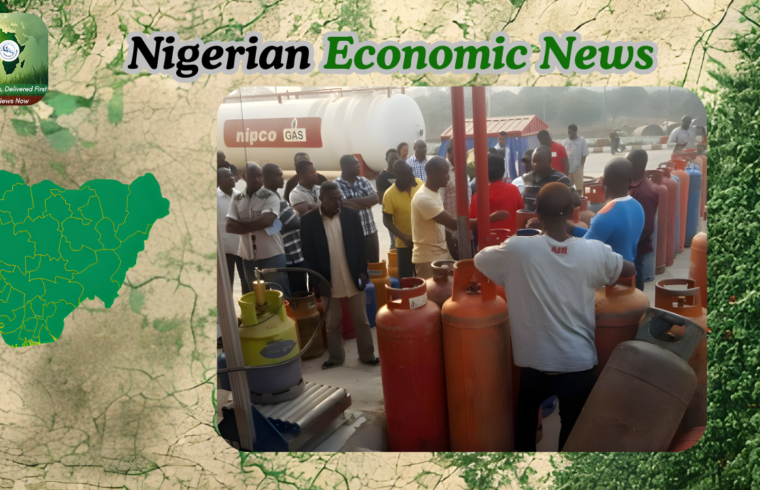
Many Nigerian households are beginning to experience slight relief following a noticeable reduction in the price of cooking gas across several parts of the country.
The latest adjustment comes amid continued economic pressure on families already battling rising transportation costs, food inflation, and unstable energy expenses.
New Cooking Gas Refill Prices Emerge
Recent market checks show that Liquefied Petroleum Gas (LPG), commonly called cooking gas, is now being sold at lower rates in many retail outlets.
The average market price currently stands around ₦1,000 per kilogram, although slight differences may still exist depending on location and supplier.
Below are some of the commonly observed refill prices:
- 1kg cylinder — around ₦1,000
- 2kg cylinder — approximately ₦2,000
- 4kg cylinder — estimated at ₦4,000
- 5kg cylinder — close to ₦5,000
The reduction has been welcomed by many Nigerians who rely heavily on cooking gas for daily household activities.
Families Welcome Temporary Price Relief
For many households, the latest drop in LPG prices offers some breathing space after months of rising living costs.
Cooking gas remains one of the most important domestic energy sources in urban and semi-urban communities across Nigeria.
As electricity challenges and kerosene costs persist, more families continue depending on LPG for regular cooking needs.
Experts Warn Prices Could Rise Again
Despite the recent decline, energy market observers believe the relief may not necessarily last for a long period.
Several economic and global factors still threaten the stability of cooking gas prices within the Nigerian market.
According to Gossip News Now, fluctuations in exchange rates and international energy prices remain among the biggest concerns.
Naira Weakness Continues To Affect LPG Market
One major factor influencing cooking gas prices is the continued depreciation of the naira against foreign currencies, particularly the US dollar.
Although Nigeria possesses large natural gas reserves, parts of the LPG supply chain still depend heavily on imported products and processing materials.
As import-related costs increase, local gas prices often rise alongside them.
Global Demand Also Influencing Local Prices
International market conditions also continue affecting LPG pricing within Nigeria.
Demand for cooking gas typically rises in colder regions such as Europe and parts of Asia during winter seasons, often pushing global prices upward.
Nigeria’s dependence on international supply dynamics means local consumers frequently feel the impact of global energy market fluctuations.
Transport And Distribution Costs Remain High
Another challenge facing the cooking gas sector is the increasing cost of transportation and distribution.
Moving LPG products from ports to storage facilities, filling stations, and retail outlets has become significantly more expensive due to rising diesel prices.
Security concerns on major transport routes have also added to logistics expenses in some regions.
Taxes And Regulatory Charges Still Affect Prices
Industry observers have additionally pointed to taxes and regulatory charges as factors contributing to LPG pricing.
While government officials have previously spoken about reducing certain levies on cooking gas, inconsistencies in implementation continue affecting the final prices consumers pay.
Some operators within the sector argue that additional charges and regulatory costs still influence market prices despite recent reductions.
Commentary And Analysis
The latest drop in cooking gas prices offers temporary relief for millions of Nigerian households struggling with economic pressure.
However, the long-term stability of LPG prices will likely depend on broader economic conditions, exchange rate performance, transportation costs, and government energy policies.
The situation also highlights Nigeria’s ongoing challenge of balancing its vast natural gas resources with the realities of import dependence and global energy market volatility.