Development Alert
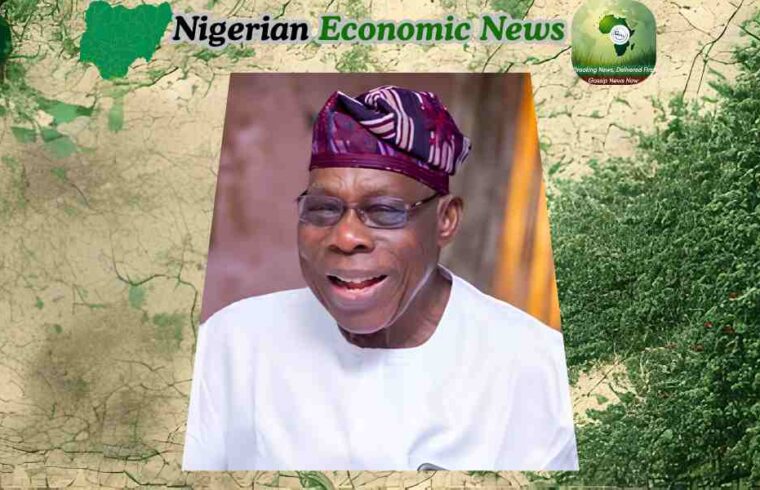
Former President Olusegun Obasanjo has urged African governments to exercise caution when seeking foreign assistance, warning that not every form of international support promotes sustainable development. He said some aid packages could eventually weaken a country’s economic independence instead of strengthening it.
Executive Brief
The former Nigerian leader delivered the message while speaking at the unveiling of “The Ibru Story: An Account of a Pioneering Nigerian Business Family,” a publication documenting the life and business achievements of late industrialist Michael Ibru.
According to Gossip News Now, Obasanjo encouraged African policymakers to carefully assess the long-term consequences of foreign partnerships, stressing that poorly structured assistance could restrict investment opportunities and national economic growth.
Five Key Lessons
- Olusegun Obasanjo advised African countries to evaluate foreign aid beyond its immediate financial benefits.
- He cited Angola’s past experience as an example of how external influence can limit economic choices.
- The former president encouraged governments to pursue partnerships that strengthen economic independence.
- Michael Ibru’s business philosophy was praised for promoting delegation, discipline and visionary leadership.
- The Ibru family was urged to preserve unity and uphold the values established by the late businessman.
Economic Perspective
Speaking at the event in Lagos, Obasanjo reflected on Nigeria’s historical relationship with Angola, recalling that after Nigeria provided financial assistance to the country, Michael Ibru encouraged him to explore investment opportunities in Angola’s fishing industry.
However, discussions with the late Angolan President Agostinho Neto revealed that foreign influence over strategic sectors had significantly reduced opportunities for additional investors.
The experience, according to Obasanjo, illustrates why governments should never accept development assistance without carefully examining its long-term implications.
Lessons From Angola’s Experience
Using the Angolan example, the former president explained that external assistance should never compromise a country’s ability to make independent economic decisions.
He recounted that Angola’s economic environment at the time had become heavily influenced by foreign advisers who were simultaneously participating in commercial activities within the country.
In reflecting on that experience, Obasanjo suggested that African nations should pursue development partnerships that encourage competition, investment diversification and economic self-reliance rather than creating dependence on a single external partner.
Why This Matters
Foreign aid remains an important source of financing for infrastructure, healthcare, education and economic development across many African countries.
However, development experts increasingly argue that the structure of international assistance is just as important as the financial resources being provided.
Poorly negotiated agreements may reduce policy flexibility, discourage private investment and limit future economic opportunities, while balanced partnerships can stimulate sustainable growth and strengthen domestic industries.
Historical Context
For decades, African governments have relied on assistance from bilateral partners, multilateral institutions and foreign investors to support national development.
While many of these partnerships have delivered meaningful progress, others have generated debate over debt sustainability, resource control and long-term economic independence.
Obasanjo’s remarks revisit this longstanding discussion, encouraging policymakers to prioritise national interests when negotiating future development agreements.
Development References
The former president highlighted several important themes during his remarks:
- Strategic foreign partnerships should strengthen rather than weaken domestic economies.
- Economic cooperation should leave room for additional investment from multiple partners.
- Governments should protect national policy independence while pursuing development financing.
- Strong leadership remains essential for sustainable economic growth.
Editorial Insight
Beyond commenting on foreign aid, Obasanjo also reflected on the leadership principles of Michael Ibru, describing him as a businessman who understood the importance of empowering capable people instead of attempting to control every aspect of an organisation.
That observation carries broader relevance for both governments and private institutions. Sustainable development often depends not only on financial resources but also on effective leadership, institutional continuity and sound governance.
Similarly, the warning against excessive dependence on external assistance aligns with growing calls across Africa for stronger domestic production, industrial expansion and diversified investment sources.
Lessons for Nigeria
The issues raised by Obasanjo extend beyond international diplomacy.
Nigeria continues to pursue foreign investment, development financing and international partnerships across several sectors. His comments therefore serve as a reminder that every agreement should be evaluated not only for immediate financial gains but also for its long-term impact on economic sovereignty, investor confidence and national development.
Balanced partnerships that encourage technology transfer, local participation and sustainable growth are likely to produce greater long-term benefits for Nigerians.
Looking Ahead
As African economies continue seeking investment to finance infrastructure and industrial development, policymakers may face increasing pressure to negotiate agreements that protect national interests while attracting international capital.
Economic analysts believe future partnerships will increasingly be judged by their ability to create jobs, expand local industries and strengthen economic resilience rather than simply providing short-term financial support.
Need To Know
Why did Obasanjo caution African leaders about foreign aid?
He argued that some forms of assistance may reduce a country’s economic independence and limit future investment opportunities.
What example did he use?
He referred to Angola’s historical experience to illustrate how external influence can affect a nation’s economic flexibility.
What broader message did he deliver?
He encouraged African governments to pursue development partnerships that promote sustainable growth, economic independence and responsible leadership.
Your Opinion Matters
Do you agree that African countries should carefully evaluate every foreign aid agreement before accepting it?
Can foreign assistance promote development without creating long-term dependence?
What policies should governments adopt to attract investment while protecting national economic interests?
Share your views in the comments section below. Your opinions and perspectives are valuable in promoting meaningful discussions on economic development, investment and Africa’s future growth.
© 2026 Gossip News Now, a division of CHIEJOS HARBIAN DIGITAL MEDIA LTD.