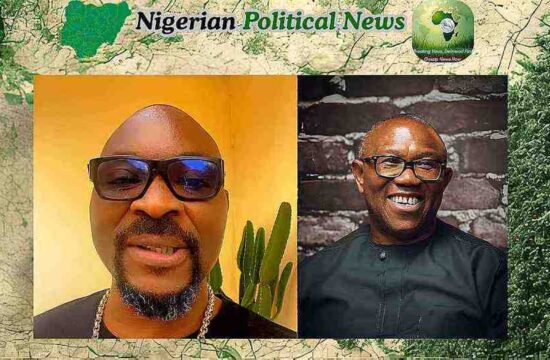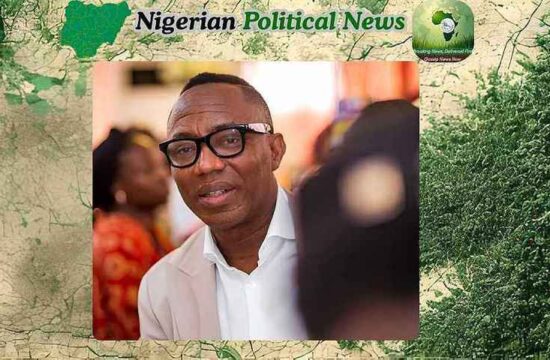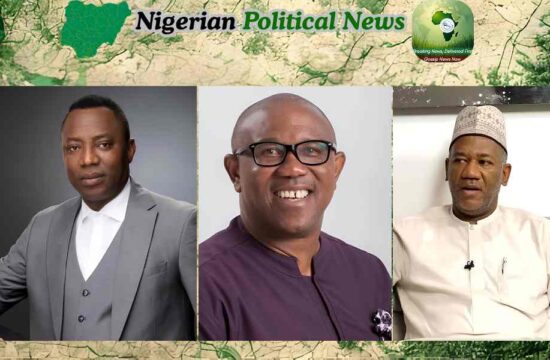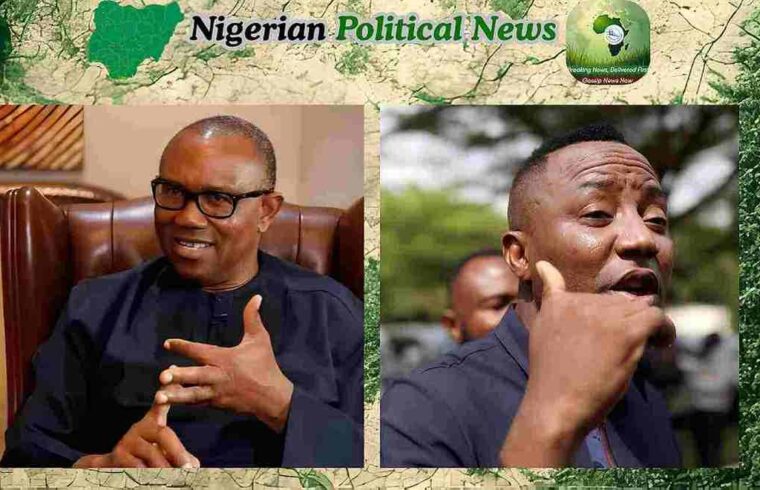
The reported obstruction of Peter Obi’s movement in Benue State has triggered a political controversy, with African Action Congress (AAC) presidential candidate Omoyele Sowore alleging that the incident was sponsored by the government.
The allegation followed reports that Obi was prevented from accessing the Yelwata Internally Displaced Persons camp during his visit to the state. Sowore made the claim on Tuesday while speaking on Arise Television’s Prime Time.
Key Facts
- Peter Obi reportedly encountered a blockade while travelling in Benue State.
- The incident was said to have occurred along Boko Road, near the Nigerian Air Force Base.
- Obi’s media aide, Esther Umoh, alleged that the obstruction was intended to stop him from proceeding further.
- Footage was subsequently shared purportedly showing the obstruction and people running after vehicles believed to be part of Obi’s convoy.
- Sowore alleged that the blockade was government-sponsored.
- The supplied report does not contain an official government or police response confirming responsibility for the incident.
How the Incident Unfolded
The controversy began after Obi and members of his entourage arrived in Benue State and reportedly encountered a group of individuals barricading a road.
According to Obi’s media aide, Esther Umoh, the incident took place along Boko Road, close to the Nigerian Air Force Base. She alleged that those involved intended to prevent the former Anambra State governor from continuing towards his destination.
Umoh subsequently shared footage purportedly showing the obstruction. Another video reportedly showed individuals running after vehicles believed to be part of Obi’s convoy.
The incident became a subject of political discussion after Sowore reacted to the reports during his appearance on Arise Television’s Prime Time on Tuesday.
It was during that interview that the AAC presidential candidate alleged that the obstruction was connected to government interests.
The Main Actors
Peter Obi was the politician whose movement was reportedly obstructed while travelling towards the Yelwata Internally Displaced Persons camp in Benue State.
Omoyele Sowore, the AAC presidential candidate, subsequently alleged that the blockade was government-sponsored and questioned the circumstances surrounding the incident.
Esther Umoh, Obi’s media aide, provided an account of the incident, alleging that the people responsible for the blockade wanted to stop Obi from proceeding further.
Security agencies also feature in Sowore’s account. He referred specifically to the presence and conduct of security personnel around the scene while questioning why there had been no official police statement on the incident.
Different Positions
The accounts surrounding the incident contain two distinct elements.
Umoh’s position, as reported, was that the blockade was deliberate and intended to prevent Obi from continuing his journey. The videos she shared were presented as footage of the incident and of individuals pursuing vehicles believed to be part of Obi’s convoy.
Sowore went further by alleging that the obstruction was sponsored by the government. He based his argument on what he described as the conduct of the crowd and the body language of security personnel present at the scene.
However, the material available in the report does not establish who organised the blockade or independently confirm Sowore’s allegation of government sponsorship.
What Sowore Said
Sowore directly linked the incident to the government, saying:
“You need no one to tell you Peter Obi blockade in Yelwata was government-sponsored.”
He argued that the behaviour of the crowd and the presence of security personnel were, in his view, indications of official involvement.
Sowore also questioned the absence of an official police statement acknowledging participation in any plan to prevent Obi from entering Yelwata.
He said the incident raised a broader principle about freedom of movement, arguing that Nigerians should be able to travel to locations across the country regardless of whether elections are taking place.
What We Know
The reported blockade and Sowore’s allegation should be treated as separate parts of the story.
The available account says Obi encountered an obstruction while travelling in Benue, while his media aide identified the location as Boko Road and alleged that the people involved wanted to stop him from proceeding.
There is also footage that was presented as showing the obstruction and activity involving vehicles believed to be part of Obi’s convoy.
What has not been established in the supplied material is that the Nigerian government organised or sponsored the incident. That claim comes from Sowore and is based on his interpretation of the events and the conduct of people and security personnel at the scene.
Sowore also highlighted the absence of an official police statement saying that the force was involved.
Political Analysis
The controversy places attention on two separate questions: what happened during Obi’s movement through Benue and who, if anyone, was responsible for the obstruction.
For the immediate political debate, the second question is likely to be the more consequential. An allegation that government interests were behind an attempt to restrict a political figure’s movement carries implications beyond the incident itself, particularly when security personnel are said to have been present.
At the same time, the available account does not provide independent evidence establishing government responsibility. The distinction is therefore important: the reported obstruction is the event being discussed, while government sponsorship remains an allegation made by Sowore.
The controversy also demonstrates why timely explanations from relevant authorities can become important when incidents involving political figures generate competing interpretations.
Political Implications
The incident could add another point of tension to relations between opposition political actors and government authorities, particularly if questions about the circumstances surrounding the blockade remain unresolved.
For political campaigns and public events, the ability of candidates and political figures to move freely is closely connected to the broader conduct of political activity. Allegations of politically motivated obstruction can also affect public perceptions of whether competing political actors are being treated fairly.
However, determining responsibility for the Benue incident would require evidence beyond the allegations contained in the current report.
Any official clarification from the police or other relevant authorities could therefore become significant in establishing what occurred and whether any public institution was involved.
Political Significance
The Benue incident has become politically significant because it combines a reported obstruction involving a prominent political figure with an allegation of government involvement.
Sowore’s claim remains an allegation, but the controversy places renewed attention on the treatment of political actors during their movements and public activities.
As the debate continues, the key issue is not only what happened along Boko Road, but whether the circumstances surrounding the incident can be clearly established through credible information and official clarification.