Key Facts
- NNPP National Chairman Major Agbo says disagreements over President Bola Tinubu’s educational qualifications should be resolved through the courts.
- He argues that Nigeria’s Constitution already defines the minimum educational requirement for presidential candidates.
- Agbo maintains that INEC acted within the law by publishing the President’s declared qualification.
- He urges critics seeking further clarification to pursue judicial interpretation instead of political debate.
The Legal Question Takes Centre Stage
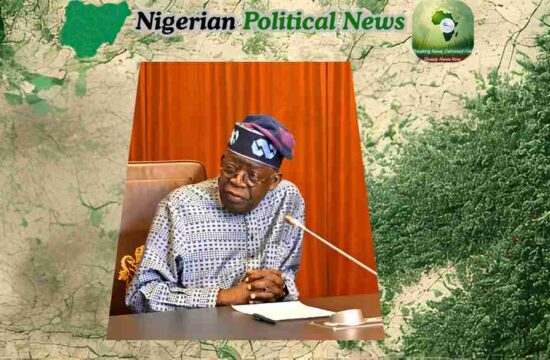
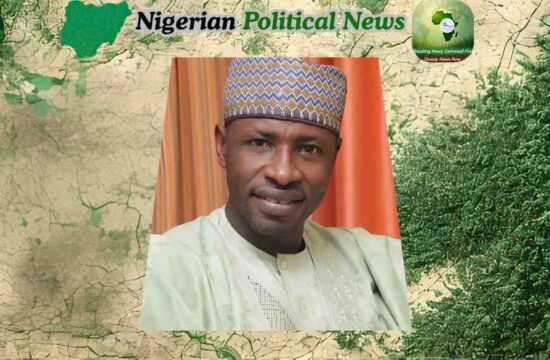
As renewed discussions continue over President Bola Tinubu’s educational credentials, the National Chairman of the New Nigeria Peoples Party (NNPP), Major Agbo, has argued that the matter should now be treated as a constitutional question rather than a political controversy.
According to him, Nigerian law already provides the framework for determining whether a candidate satisfies the educational requirements for the presidency. For that reason, he believes anyone dissatisfied with the documents published by the Independent National Electoral Commission (INEC) should seek a judicial interpretation instead of relying on public arguments.
Agbo Explains Why the Courts Should Decide
Speaking in an interview with Punch, Agbo said the Constitution clearly outlines the minimum qualification required to contest for the office of President.
He explained that the legal threshold is possession of a qualification that is not below the Secondary School Certificate level, adding that candidates are permitted to declare qualifications that meet or exceed that constitutional requirement.
“The truth is that the position of the law states that the minimum qualification is secondary school, that is either GCE, SSCE or whatever they call it.”
He further stated:
“The implication is that a candidate can declare any certificate beginning from First School Leaving Certificate to WAEC.”
Chicago State University Certificate Remains Part of the Debate
Agbo said President Tinubu’s decision to submit a degree certificate from Chicago State University should be viewed within the provisions of Nigerian electoral law rather than through political interpretation.
He argued that if individuals wish to establish whether the President’s earlier educational records should also be examined, the appropriate institution to make that determination is the judiciary.
Summarising his position, Agbo maintained that constitutional interpretation—not public speculation—should resolve any outstanding questions regarding the President’s nomination documents.
“If what INEC has published now is his certificate from Chicago University and people want to know whether he went through primary and secondary school, the right thing to do in a democracy is to ask the courts to help find out.”
Public Debate Cannot Replace Judicial Interpretation, Says NNPP Chairman
Agbo questioned the continued reliance on public opinion to assess the qualifications of elected officials, arguing that repeated political debates cannot substitute for legally binding decisions.
He suggested that Nigerians who believe there are inconsistencies in any candidate’s submitted credentials already have access to constitutional procedures capable of resolving such disputes.
“For how long shall we continue to put our public officers through the court of public opinion? Again, how has that helped us in the past?”
Every Citizen Has the Right to Challenge Credentials Through the Law
While defending the legal process, Agbo stressed that every Nigerian retains the constitutional right to challenge the qualifications of anyone occupying or seeking public office.
However, he insisted that such challenges should begin and end before competent courts rather than through political commentary.
According to him, where a candidate declares a university degree that satisfies the constitutional threshold, the law provides the framework for determining whether the declaration complies with existing electoral requirements.
“Every Nigerian has the right to sue anybody who is a leader or aspires to be a leader. If he declares that he has a certificate from Chicago University, the law still covers him.”
He added that the constitutional requirement allows candidates to submit qualifications that are not below the Senior Secondary School Certificate standard, which, in his view, is consistent with the documents published by INEC.
Background
Questions surrounding President Bola Tinubu’s academic credentials have remained part of Nigeria’s political conversation since the 2023 presidential election, generating court proceedings, political exchanges and differing interpretations among political stakeholders.
The latest intervention from the NNPP chairman introduces a different perspective to the debate by focusing less on the substance of the allegations and more on the constitutional mechanism available for resolving them.
What Happens Next?
Agbo believes the next stage of the controversy should move away from political arguments and into the courtroom, where judges can interpret the law and determine whether any legal issues remain.
Until such judicial clarification is sought, he argued, continued public debate is unlikely to produce a definitive resolution.
“So, if what was published is just a degree certificate, the right thing for anybody who wants to contest it to do is to approach the courts. Let’s stop dragging our leaders in the court of public opinion. It will not help us.”