A Political Partnership That Continues To Shape National Debate
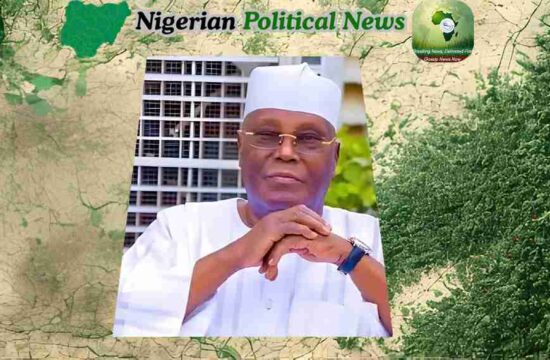
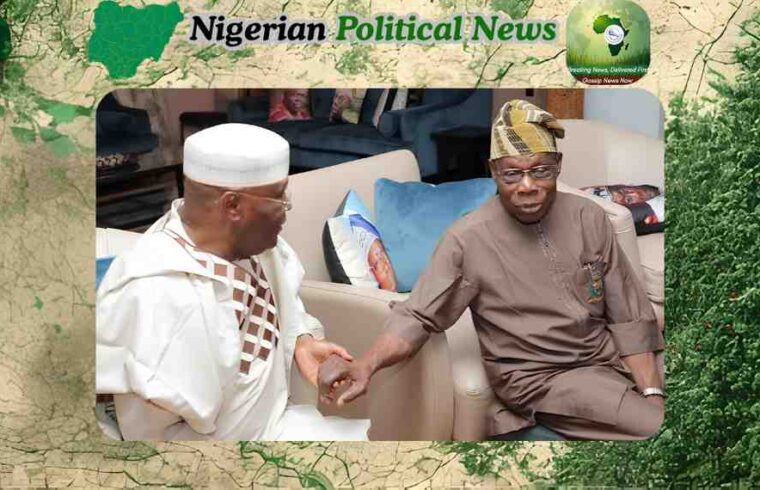
More than two decades after Olusegun Obasanjo and Atiku Abubakar jointly led Nigeria’s civilian government, their once-celebrated political partnership continues to generate national attention.
Although both men left office years ago, the relationship that began with cooperation has gradually transformed into one of Nigeria’s most closely watched political rivalries.
The latest chapter unfolded after former President Obasanjo reportedly said he regretted selecting Atiku as his Vice-President, a remark that immediately revived public discussion about one of Nigeria’s most consequential political alliances.
Fresh Remarks Reopen An Old Political Conversation
Rather than responding personally to Obasanjo’s comments, Atiku allowed his media aide, Paul Ibe, to speak on behalf of his camp.
Speaking in an interview with Punch, Ibe dismissed the former President’s criticism, insisting that Atiku would not be drawn into a public exchange over the remarks.
According to him, the former Vice-President considers the issue settled and has chosen not to respond directly despite repeated public comments from his former principal.
That decision, Ibe suggested, reflects Atiku’s determination to keep the focus on national politics rather than personal disagreements.
Paul Ibe Rejects Claims That Obasanjo Can Shape 2027
While acknowledging Obasanjo’s status as a former Head of State, Ibe argued that the outcome of the next presidential election would be determined by Nigerian voters rather than influential political personalities.
He maintained that no endorsement or criticism from any former leader could replace the judgment of millions of citizens expected to vote in 2027.
According to Ibe, political influence ultimately rests with the electorate, not with individual statesmen.
He also accused Obasanjo of engaging in what he described as vindictive politics intended to weaken Atiku’s presidential ambition.
Those remarks represent Paul Ibe’s stated opinion during the interview.
Looking Back At A Relationship That Changed Course
The latest disagreement cannot be separated from the political history shared by both men.
Obasanjo and Atiku served together at the highest level of government between 1999 and 2007 before their relationship deteriorated during the closing years of that administration.
Referring to that history, Ibe questioned why Obasanjo’s assessment of Atiku appeared to change long after both men had left office.
He also referred to disagreements surrounding the former President’s alleged third-term agenda, suggesting those events marked a turning point in the relationship between the two political figures.
Those references were made by Ibe while explaining why he believes the present criticism should be viewed within its historical context.
‘Atiku Has Never Regretted Serving Under Obasanjo’
One of the strongest messages from Ibe’s interview was his insistence that Atiku does not share the same view expressed by the former President.
He argued that despite years of political disagreements, Atiku has never publicly stated that he regrets serving as Vice-President.
According to Ibe, differences that later emerged between both leaders should not erase the work they carried out together while in government.
He further argued that political disagreements should not become permanent personal battles extending decades beyond public office.
History Meets The 2027 Election
Beyond defending Atiku, Ibe attempted to redirect the conversation toward the forthcoming presidential election.
He argued that Nigerians are more concerned with current national challenges than with long-running personal disputes among former political allies.
According to him, voters will judge presidential candidates based on their assessment of the country’s present realities rather than historical disagreements between political leaders.
For that reason, he maintained that Obasanjo’s criticism would not determine Atiku’s electoral prospects.
Political Perspective
The exchange illustrates how historical political relationships continue to influence contemporary political narratives in Nigeria.
Former alliances often become campaign issues because they shape public perceptions of leadership, loyalty and credibility. As the 2027 election approaches, long-standing political relationships are likely to remain subjects of debate, particularly when influential former office holders publicly comment on current contenders.
At the same time, the source article reflects competing political positions: Obasanjo’s reported regret over his former deputy, and Paul Ibe’s defence of Atiku. Those positions should be understood as the views attributed to the respective individuals rather than independently established facts.
Where The Story Stands
According to the source article, Atiku Abubakar has not personally responded to Obasanjo’s latest comments.
Instead, the public response has come from his media aide, Paul Ibe, who insists that Atiku remains focused on the future and has no regrets about working with the former President.
Whether either principal will make further public statements remains uncertain, but the latest exchange has once again drawn attention to a political relationship that has influenced Nigerian politics for more than two decades and is now being viewed through the lens of the 2027 presidential contest.
Reader’s Corner
Do you think long-standing political rivalries still influence voters, or should elections be decided solely on present-day leadership ideas and policies? Share your thoughts in the comments.
© 2025 Gossip News Now, a division of CHIEJOS HARBIAN DIGITAL MEDIA LTD.
Contact us via admin@gossipnewsnow.online