NDC Launches Reconciliation Drive Ahead of 2027 Elections
Barely days after completing its nationwide congresses, convention and party primaries, the Nigeria Democratic Congress (NDC) has begun efforts to rebuild internal unity by inaugurating a National Reconciliation Committee charged with resolving grievances among party members before the 2027 General Elections.
The committee, unveiled in Abuja, brings together senior political figures expected to engage dissatisfied aspirants and stakeholders following disputes arising from the party’s internal electoral process.
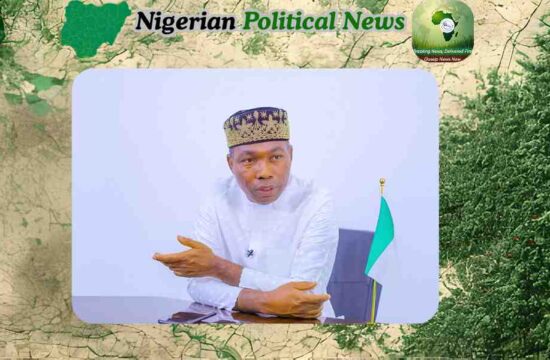
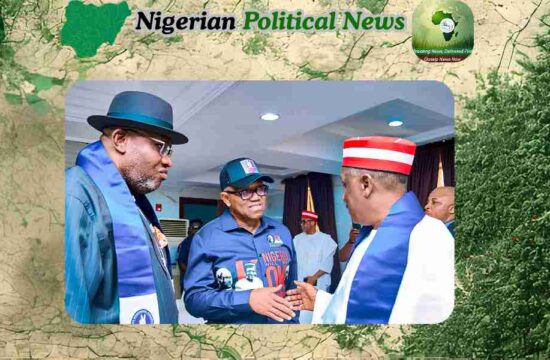
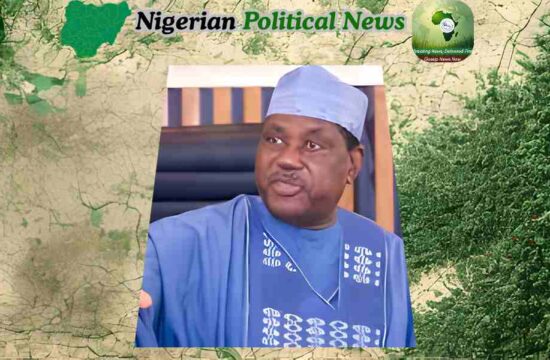
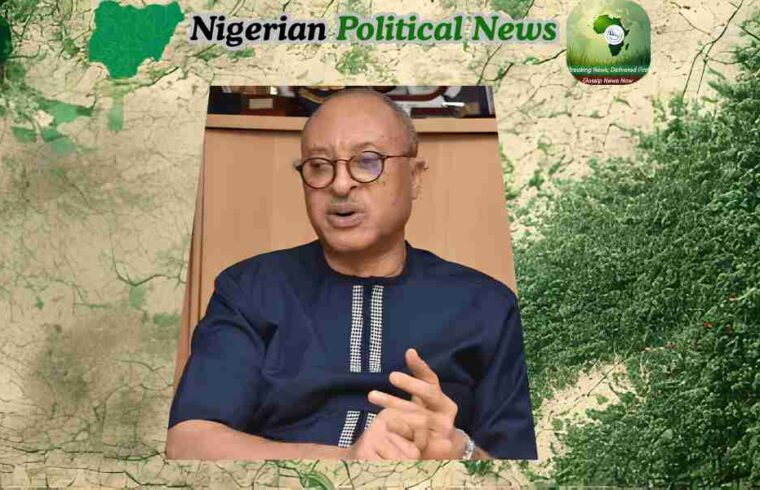
Leading the panel is former presidential candidate Pat Utomi, while veteran politician Buba Galadima serves as co-chairman.
Why the Committee Was Constituted
The reconciliation initiative comes at a critical stage for the NDC after internal contests produced disagreements that resulted in complaints from some aspirants and party stakeholders.
According to party officials, the committee is expected to engage affected members, encourage dialogue and reduce tensions created during the recently concluded congresses, convention and primary elections.
Its inauguration followed shortly after the party formally unveiled its constitution, signalling a broader effort to strengthen internal cohesion before nationwide political campaigns begin.
Utomi Sees Reconciliation as a Shared Political Responsibility
Accepting the responsibility of leading the committee, Pat Utomi described the assignment as both an honour and a demanding responsibility.
Rather than focusing on divisions within the party, he said the committee intends to demonstrate that political disagreements do not necessarily prevent long-term cooperation.
To illustrate that point, Utomi reflected on his relationship with Buba Galadima, explaining that despite decades of political disagreements, mutual respect had remained intact.
“Buba Galadima and I have been fighting for 50 years, and we are still very good friends.”
According to Utomi, that experience reinforces his belief that reconciliation among party members is achievable if stakeholders remain committed to the broader interests of the party and the country’s democratic future.
Reconciliation Linked to the Party’s Long-Term Vision
For Utomi, the committee’s assignment extends beyond settling disagreements that emerged during the party’s internal elections.
He argued that genuine reconciliation should create an environment where members can move beyond individual interests and collectively pursue the party’s broader political objectives.
Speaking during the inauguration, the former presidential candidate said rebuilding trust among members would strengthen the NDC’s ability to present itself as a credible political alternative ahead of the 2027 General Elections.
According to him, restoring confidence within the party is an essential step toward preparing for the next phase of Nigeria’s democratic process.
Youth Development Shapes the NDC’s Future Agenda
While discussing reconciliation, Utomi also highlighted the direction he believes the party should take as it develops its long-term programmes and policy agenda.
He disclosed that he is participating in the process of drafting the NDC’s manifesto and policy framework, describing the exercise as an opportunity to shape a political platform centred on the aspirations of younger Nigerians.
Utomi noted that the country’s demographic profile presents both a challenge and an opportunity, arguing that public policies should focus on equipping young people with the skills and opportunities needed to compete successfully on the global stage.
Rather than allowing internal disagreements to dominate the party’s attention, he urged members to concentrate on building a future that reflects the expectations of Nigeria’s growing youth population.
Committee Expected to Heal Post-Primary Divisions
The reconciliation panel was established after the party concluded its nationwide congresses, convention and primary elections, processes that generated complaints from some aspirants and stakeholders.
Its mandate includes engaging aggrieved members, promoting dialogue and encouraging compromise where disputes have arisen.
Party leaders believe the committee will help reduce internal tensions while strengthening unity before campaign activities intensify ahead of the 2027 elections.
The initiative also reflects the NDC’s effort to address internal concerns through dialogue rather than prolonged disagreements that could affect its electoral preparations.
Unity Over Personal Differences
Throughout his remarks, Utomi repeatedly returned to one central message—that political organisations become stronger when members prioritise shared objectives over personal disagreements.
He maintained that differing opinions are common within democratic institutions, but said those differences should not become permanent barriers to cooperation.
Drawing from his own political experience, Utomi expressed confidence that the committee could encourage former rivals to rebuild relationships in the interest of the party’s future.
For him, reconciliation is not simply about resolving disputes from the primaries; it is about creating a culture of collaboration capable of sustaining the party beyond a single election cycle.
Galadima Sees Reconciliation as the First Step Towards Electoral Success
Offering his perspective after the committee’s inauguration, Buba Galadima acknowledged that rebuilding relationships within the party would not be without challenges.
Even so, he expressed confidence that the committee possesses the experience and political understanding required to navigate the disagreements that followed the party’s internal electoral process.
Galadima described the reconciliation effort as more than an internal exercise, saying it should become the foundation upon which the NDC prepares for the next general election.
According to him, many members of the committee have worked together across different phases of Nigeria’s political history, giving them the experience needed to mediate difficult conversations among party stakeholders.
Electoral Process Comes Under Scrutiny
While discussing the committee’s assignment, Galadima also turned attention to what he described as structural challenges confronting opposition political parties.
He argued that producing candidates without disagreements has become increasingly difficult under the current electoral framework, maintaining that post-primary disputes are not unique to the NDC.
Galadima further claimed that aspects of the Electoral Act place opposition parties at a disadvantage during the candidate selection process.
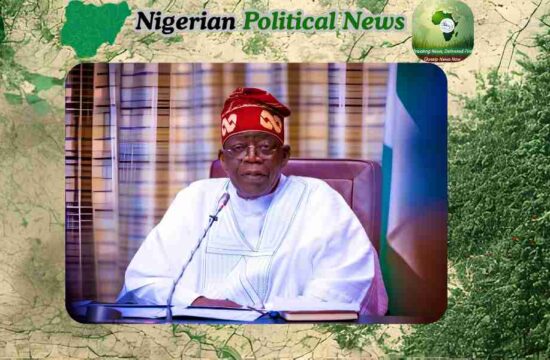
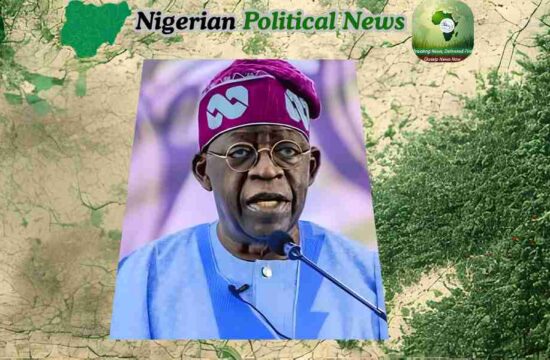
He also criticised the administration of President Bola Ahmed Tinubu, alleging that existing political conditions make it more difficult for opposition parties to build competitive electoral structures ahead of national elections.
Those remarks represent Galadima’s political assessment and formed part of his broader appeal for opposition supporters to remain united ahead of the 2027 polls.
Beyond Reconciliation: Building a Competitive Political Platform
Although the committee was established primarily to resolve internal disagreements, its work carries broader political significance for the NDC.
Internal reconciliation is often regarded as an important stage in preparing political parties for nationwide campaigns, particularly after competitive primary elections that may leave some aspirants dissatisfied.
By creating a formal platform for dialogue, the party is attempting to reduce divisions while strengthening cooperation among its members before campaign activities intensify.
Whether those efforts translate into greater organisational cohesion will become clearer as the party moves deeper into preparations for the 2027 General Elections.
The Road Ahead
With the reconciliation committee now formally inaugurated, attention is expected to shift from resolving internal disputes to implementing the recommendations that emerge from its consultations.
Party leaders will likely continue engaging aspirants, delegates and stakeholders across the country in an effort to restore confidence and reinforce unity ahead of future political activities.
For the NDC, the success of the committee will not be measured solely by the number of disputes resolved, but by its ability to strengthen internal cooperation as the party positions itself for the next electoral cycle.
Reader Discussion
Pat Utomi believes decades of political disagreements do not have to prevent long-term cooperation, while Buba Galadima argues that reconciliation is essential if the opposition hopes to compete effectively in 2027.
Do you think internal reconciliation committees genuinely strengthen political parties after contentious primaries, or do deeper divisions usually remain unresolved? Share your views in the comments below.
© 2025 Gossip News Now, a division of CHIEJOS HARBIAN DIGITAL MEDIA LTD. Contact us: admin@gossipnewsnow.online