How a Long-Running Certificate Debate Returned to the Political Spotlight
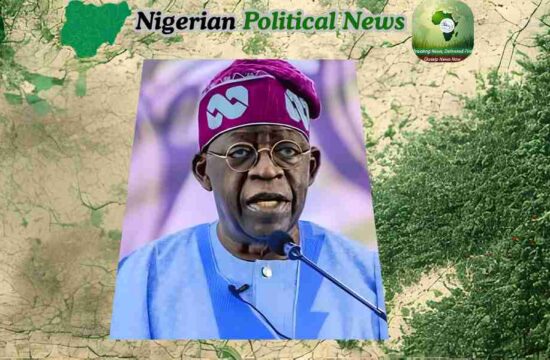
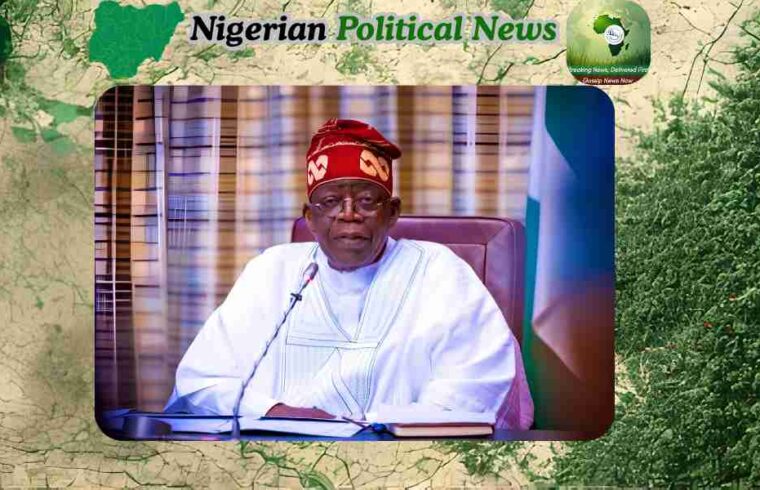
Questions surrounding President Bola Ahmed Tinubu’s educational records have resurfaced repeatedly over the years, moving from political debates in the early days of Nigeria’s Fourth Republic to renewed public scrutiny during successive election cycles.
The issue first gained national attention after challenges were raised in 1999 regarding the President’s academic credentials. It later reappeared during the 2023 presidential election and has once again become a subject of political discussion following the publication of candidates’ nomination documents ahead of the 2027 elections.
The latest chapter unfolded during a televised political programme, where an opposition party member renewed calls for the President to publicly release documents relating to his primary and secondary education.
At a Glance
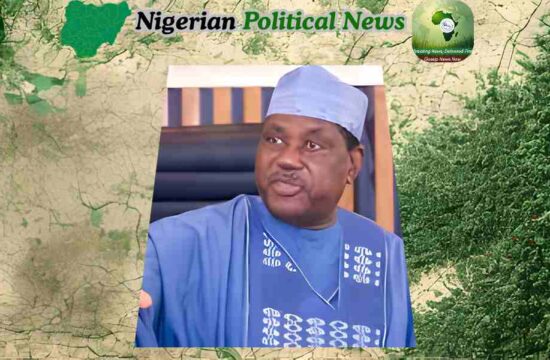
- Who: ADC member and lawyer Kalu Kalu.
- Where: Channels Television’s Politics Today.
- Main Issue: Fresh demands for President Bola Tinubu to publicly present his primary and secondary school certificates.
- Reason Given: Kalu argued that releasing the documents would settle the recurring controversy surrounding the President’s educational qualifications.
- Broader Context: The debate follows renewed public attention after INEC published nomination documents for the 2027 elections.
Fresh Calls for Public Disclosure
Speaking during Thursday’s edition of Politics Today on Channels Television, Kalu argued that the controversy surrounding President Tinubu’s educational history had persisted for too long and now required a direct public response from the President.
According to the lawyer, questions surrounding the President’s educational qualifications should be addressed through the release of documents that would allow Nigerians to independently examine the matter.
He maintained that public disclosure, rather than continued political exchanges, would provide clarity on an issue that has resurfaced at different moments in Nigeria’s political history.
Kalu Says Public Release Would End the Debate
Explaining his position, Kalu argued that the controversy could be resolved if President Tinubu publicly presented his primary and secondary school certificates.
The lawyer claimed that doing so would remove lingering doubts and allow Nigerians to verify the President’s educational background for themselves.
“If he says it’s an allegation, if he says it’s an accusation, let him come out and tell Nigerians, ‘This is my primary school certificate. This is my secondary school certificate.’ This matter will stop.”
Kalu further contended that the issue had progressed beyond what he described as ordinary political accusations, insisting that greater transparency would help bring the long-running debate to a close.
Attention Turns to the President’s Response
While renewing his call for public disclosure, Kalu argued that continued silence on the issue had allowed the controversy to remain part of Nigeria’s political conversation.
His remarks added another voice to an issue that has periodically resurfaced during election seasons, with supporters and critics offering differing interpretations of the President’s publicly available records.
Rather than focusing solely on past controversies, Kalu maintained that a direct response from the President would, in his view, provide the clearest opportunity to address the matter once and for all.
INEC Documents Renew Debate Over Educational Qualifications
The latest round of public discussion gained momentum after the Independent National Electoral Commission (INEC) published candidates’ nomination particulars ahead of the 2027 elections.
Among the details contained in President Bola Ahmed Tinubu’s submission was the declaration of his university qualification. However, the sections relating to his primary and secondary school education were left blank, a development that quickly attracted renewed attention from political opponents.
For critics, the omission revived questions that have surfaced periodically over the years. Supporters of the President, on the other hand, maintain that the university qualification listed in the nomination documents exceeds the constitutional minimum educational requirement for contesting the office of President.
Opposition Lawyer Links Current Debate to Earlier Questions
While discussing the issue on Channels Television, Kalu argued that the latest nomination documents had reopened a controversy that has remained part of Nigeria’s political discourse for decades.
According to him, concerns about President Tinubu’s educational history did not begin with the current election cycle but have repeatedly returned whenever his academic credentials become a subject of public attention.
The lawyer maintained that the recurring nature of the debate makes a definitive public clarification necessary.
From 1999 to 2027: A Recurring Political Issue
Tracing the controversy through Nigeria’s democratic history, Kalu said the questions surrounding the President’s educational records first gained prominence in 1999, when late human rights lawyer Gani Fawehinmi challenged aspects of Tinubu’s academic documentation.
According to Kalu, the dispute eventually reached the Supreme Court, although he noted that the matter was not determined on its substantive merits because it was dismissed on technical grounds.
He argued that, despite that outcome, public discussion over the issue never entirely disappeared.
Instead, it resurfaced during the 2023 presidential election before returning once again following the publication of candidates’ particulars for the 2027 electoral process.
Calls for Transparency Continue
Building on that historical background, Kalu insisted that a straightforward public disclosure by the President would, in his view, remove lingering uncertainty surrounding the issue.
He argued that making the disputed documents publicly available would allow Nigerians to independently examine the records rather than relying on continuing political arguments.
The lawyer maintained that transparency would help bring closure to a controversy that has repeatedly resurfaced over successive election cycles.
Debate Extends Beyond Legal Questions
Although the controversy centres on educational records, Kalu suggested that the issue now carries broader political significance because of its repeated appearance in national discourse.
He argued that recurring public questions about a sitting President’s educational qualifications have implications for public confidence and political accountability.
At the same time, supporters of President Tinubu continue to argue that his declared university qualification satisfies the constitutional educational threshold required to contest the presidency, making the omission of earlier qualifications a matter that does not affect his eligibility.
Kalu Says Continued Debate Damages the Presidency
As the discussion drew to a close, Kalu argued that the recurring controversy had moved beyond routine political disagreement and was beginning to affect public confidence in the office of the President.
According to him, repeated questions about President Tinubu’s educational qualifications have continued to reappear because, in his view, they have never been addressed in a manner that satisfies critics.
The lawyer maintained that a direct public presentation of the disputed academic records would bring an end to the recurring debate and allow Nigerians to assess the matter for themselves.
ADC Lawyer Calls on Tinubu to Resign
Building on his earlier arguments, Kalu went further by urging President Bola Tinubu to step down if he could not provide the documents being demanded.
He questioned why the issue had continued to dominate political discussions over several election cycles and argued that the controversy should not remain unresolved.
“This is the time Bola Ahmed Tinubu should resign and leave office, for crying out loud.”
Kalu also asked:
“Why are we repeating this issue?”
Those remarks represent Kalu’s personal political position as expressed during the television interview.
Competing Positions Continue to Shape the Debate
The renewed controversy has once again highlighted the differing views surrounding President Tinubu’s educational qualifications.
While Kalu and other critics argue that the President should publicly release his primary and secondary school certificates, supporters of the President maintain that the university qualification declared in his nomination documents satisfies the constitutional educational requirement for contesting the office of President.
The differing positions have ensured that the issue remains part of Nigeria’s broader political conversation as preparations for the 2027 elections continue.
Political Perspective
The latest exchange demonstrates how long-running political controversies can resurface during successive election cycles, particularly when official nomination documents become available for public scrutiny.
Although no new legal proceedings were announced in connection with Kalu’s remarks, the debate illustrates how historical political disputes often regain prominence during periods of heightened electoral activity.
The discussion also reflects the continuing role of public transparency, constitutional interpretation and political accountability in shaping national political discourse.
Looking Ahead
Whether the latest demands lead to further official responses remains uncertain.
However, with political parties preparing for the 2027 General Elections, issues relating to candidate qualifications, public records and constitutional compliance are likely to remain subjects of public and political discussion.
As the electoral process progresses, attention is expected to remain on official statements, political reactions and any further developments connected to the issue.
Reader Discussion
The controversy over President Tinubu’s educational qualifications has resurfaced at different stages of Nigeria’s democratic journey, with supporters and critics continuing to offer sharply different interpretations of the available records.
Do you think long-running political controversies such as this should be resolved through greater public disclosure, judicial processes, or should they remain matters for voters to assess during elections? Share your thoughts in the comments below.
© 2025 Gossip News Now, a division of CHIEJOS HARBIAN DIGITAL MEDIA LTD. Contact us: admin@gossipnewsnow.online