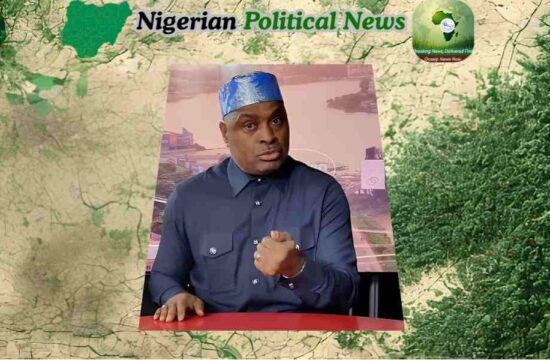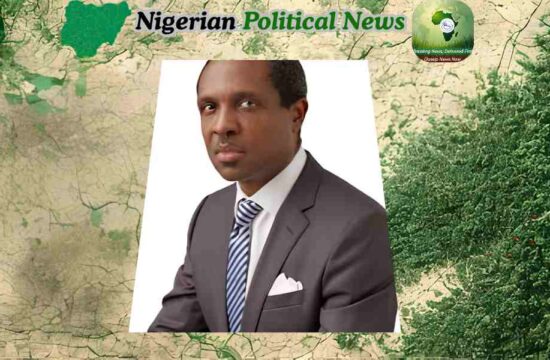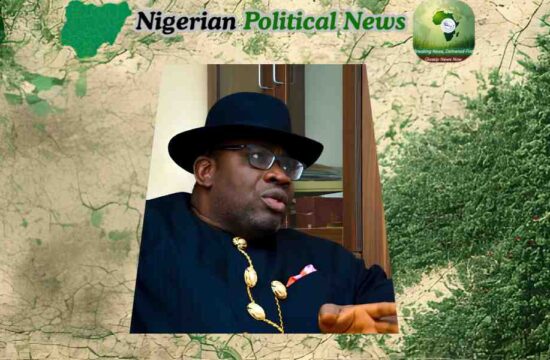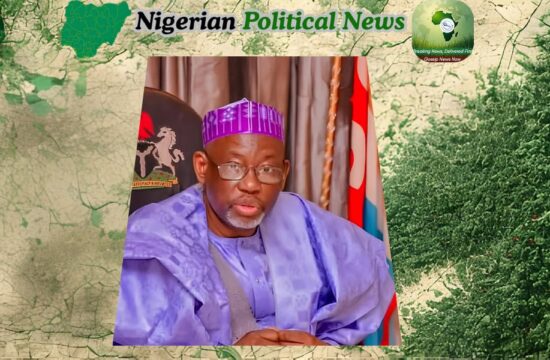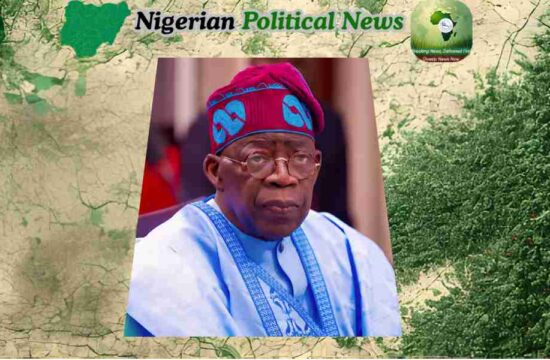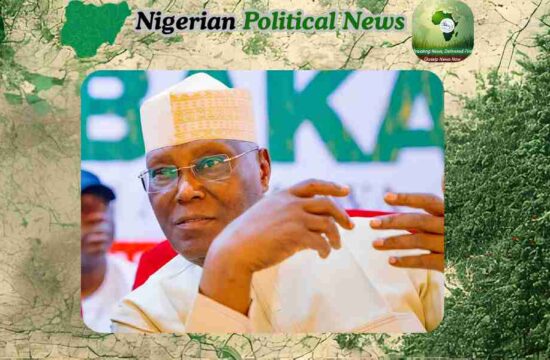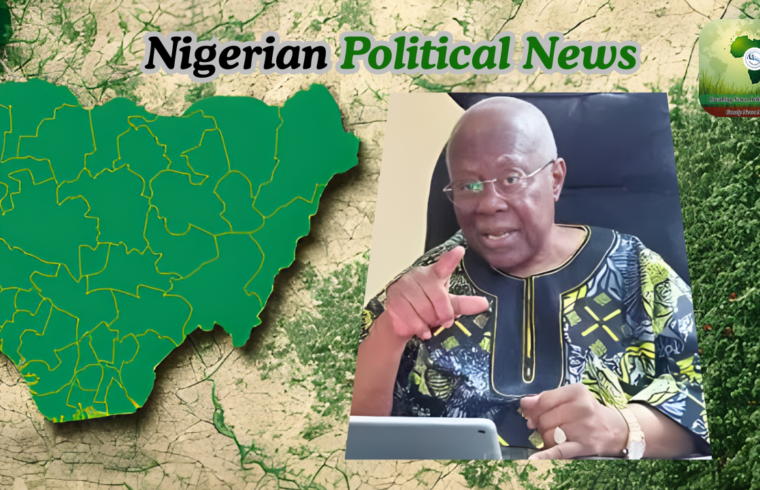
Former Deputy National Chairman of the Peoples Democratic Party (PDP), Chief Olabode George, has expressed concern over what he described as increasing political intimidation targeting Oyo State Governor Seyi Makinde and Bauchi State Governor Bala Mohammed.
The PDP chieftain warned that suppressing elected leaders because of differing political opinions could weaken Nigeria’s democratic system and encourage unhealthy political dominance.
George Warns Against Silencing Opposition Voices
Speaking on recent political developments, George argued that democracy cannot thrive where opposition voices are constantly pressured or discouraged from expressing independent positions.
He stressed that disagreement and debate remain essential elements of democratic governance and should never be treated as threats.
According to Gossip News Now, the elder statesman cautioned that attempts to intimidate governors or political leaders for holding alternative views could gradually push the country toward a one-party culture.
He maintained that democratic stability depends on tolerance, political diversity and respect for constitutional freedoms.
Concerns Over Nigeria’s Democratic Direction
George described the current political atmosphere as a sensitive moment for Nigeria’s democracy, insisting that rising tension within the political space should not be ignored.
The former PDP leader suggested that the situation involving Governors Seyi Makinde and Bala Mohammed goes beyond ordinary political disagreement and may reflect deeper concerns surrounding the balance of power within the federation.
In his view, elected officials must be allowed to carry out their responsibilities without fear of political retaliation or undue pressure.
He also warned that weakening opposition structures could damage public confidence in democratic institutions.
Criticism Of Government Spending Priorities
Beyond politics, George also questioned certain spending decisions linked to the federal government.
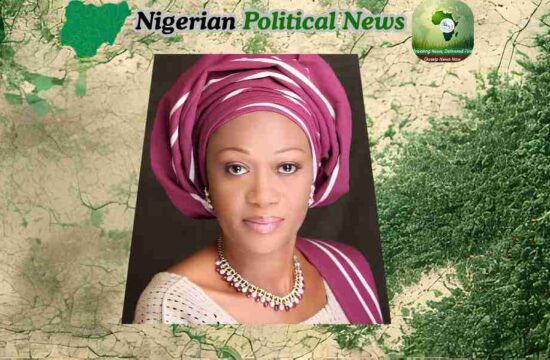
He reportedly criticised contributions connected to a private library initiative associated with First Lady Senator Oluremi Tinubu, arguing that national resources should instead focus more directly on addressing poverty and economic hardship affecting ordinary Nigerians.
The PDP chieftain emphasized that leadership should prioritise public welfare and sacrifice, especially during periods of economic difficulty.
His comments reflected wider concerns about living conditions and financial struggles currently affecting many citizens across the country.
INEC Urged To Protect Electoral Credibility
George additionally called on the Independent National Electoral Commission (INEC) to safeguard the integrity of future elections.
He stressed the need for transparency, fairness and credible electoral processes capable of reflecting the true will of voters.
The former PDP official warned against situations where elections become overshadowed by unexplained technical issues or outcomes perceived as manipulated behind closed doors.
According to him, public trust in democracy depends heavily on citizens believing that their votes genuinely matter.
Political Accountability Remains Essential
The elder statesman argued that both political intimidation and questionable use of public resources contribute to weakening accountability within governance structures.
He urged political stakeholders across party lines to protect democratic values and ensure leadership remains rooted in service to the people rather than political dominance or personal interests.
George’s remarks add to ongoing national conversations surrounding opposition politics, governance and democratic accountability in Nigeria.
Analysis And Commentary
Bode George’s intervention reflects growing anxiety within opposition circles over the future direction of Nigeria’s democratic environment.
His comments also highlight broader fears about shrinking political tolerance and the potential consequences of weakening opposition voices within a multi-party system.
At the same time, his criticism of government spending priorities taps into wider public frustration surrounding economic hardship and perceptions of leadership responsibility.
As political activities gradually intensify ahead of future elections, debates surrounding democracy, accountability and political freedom are likely to remain central within Nigeria’s national discourse.
© 2025 Gossip News Now , a division of CHIEJOS HARBIAN DIGITAL MEDIA LTD. Contact us via admin@gossipnewsnow.online