A State at a Political Crossroads
For years, political rivalry has dominated conversations about Rivers State, often overshadowing discussions about governance, development and the welfare of its people. As divisions continued to deepen across different political camps, questions have increasingly shifted from who won political battles to whether the state itself has paid the greater price.
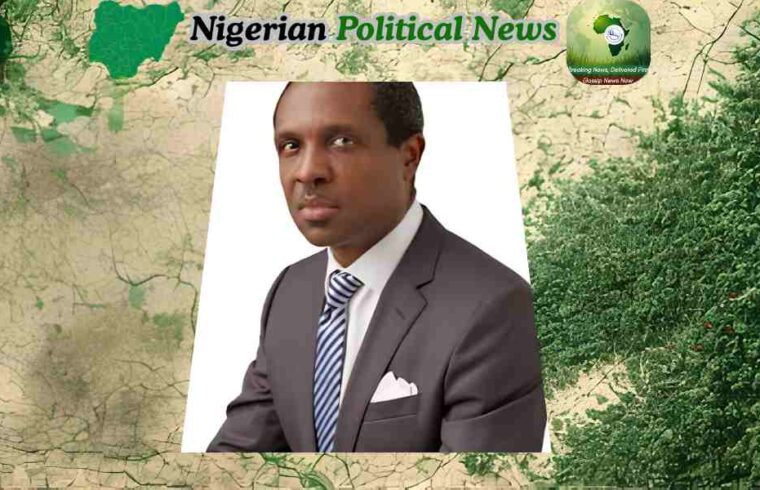
Former All Progressives Congress (APC) governorship candidate Tonye Cole believes that moment of reflection has arrived. According to him, Rivers can no longer afford another cycle of political confrontation if it hopes to recover lost ground.
Why Cole Believes This Conversation Cannot Wait
Speaking during an interview on Channels Television’s Sunrise Daily, Cole argued that years of political conflict have left Rivers State significantly behind where it should be.
Rather than assigning blame to one political party or another, he said the more urgent responsibility is to recognise the damage prolonged disputes have caused and begin rebuilding the state collectively.
In his view, continuing political hostility would only prolong the challenges already confronting Rivers.
A Call That Goes Beyond Party Politics
Cole said he has already begun engaging political leaders and stakeholders from different camps in an effort to reduce tensions and encourage dialogue.
Describing the current situation as a defining moment for Rivers State, he appealed for cooperation that places the state’s future above partisan loyalties.
“We have fought a fight that has left Rivers State further back 20 years than we have ever been in our entire history as a state.”
He added that rebuilding the state would only become possible if political actors accepted the need for reconciliation rather than renewed confrontation.
“This is one of the times when we now must all come together to build a new Rivers State.”
His Roadmap for a New Rivers State
Cole believes the next phase of Rivers’ development should be driven by competence instead of political affiliation.
According to him, every political tendency has individuals capable of contributing to the state’s progress, making inclusion more valuable than exclusion.
He said the objective should no longer be which political platform gains the advantage, but how the state can assemble its best minds to design a long-term development strategy.
“We don’t care whether you are PDP, whether you are APC, whether you are ADC, whether you are NDC. What we care about now is that Rivers State has to seek the best from everywhere, bring them together, and let us forge a master plan that allows us to move forward.”
Cole maintained that years of political division have already demonstrated their limitations and should no longer define the state’s future.
Choosing Cooperation Over Another Political Battle
The former governorship candidate disclosed that consultations were already taking place with aggrieved political actors as part of efforts to encourage reconciliation and build consensus around a common objective.
He warned that allowing existing divisions to persist could push Rivers State into another prolonged period of political bitterness, further delaying meaningful development.
For him, bringing together experienced professionals, political leaders and stakeholders from different backgrounds represents the only sustainable path towards restoring confidence and rebuilding the state.
The Bigger Test for Rivers Politics
Cole’s remarks extend beyond a routine political interview. They reflect a broader governance debate over whether prolonged political competition should continue to shape Rivers State or whether reconciliation can become the foundation for a new phase of development.
Whether political actors across the state’s various camps embrace that appeal remains to be seen. However, his message places renewed attention on a question that may increasingly define Rivers’ political future: Can lasting progress be achieved if political divisions continue to outweigh the shared interests of the state?