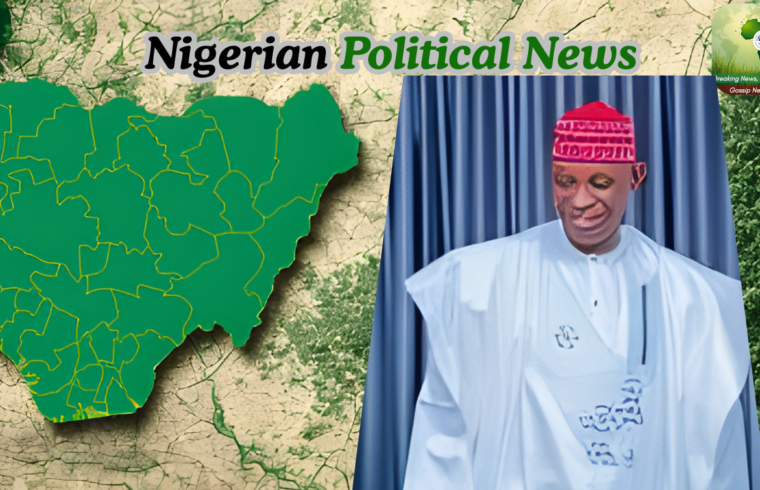
Political developments in Kano State have taken another dramatic turn as Governor Abba Yusuf adjusts the timetable for his expected movement from the New Nigeria Peoples Party (NNPP) to the governing All Progressives Congress (APC). The planned shift, which has generated sustained speculation across political circles, is now entering what insiders describe as its most decisive phase.
Sources familiar with the matter disclosed that the governor communicated the latest update during a late-night strategy session with members of the Kano State House of Assembly. The closed meeting reportedly focused on aligning legislative stakeholders ahead of the proposed transition.
New Transition Timeline Emerges
Rather than executing an immediate defection, the governor is said to have outlined a phased political transition designed to unfold over several days. According to information shared by a participant at the meeting, the sequence will begin with his formal disengagement from the NNPP, followed by a public announcement of his new political affiliation, before concluding with administrative formalities confirming his integration into the APC structure.
The staggered approach, insiders noted, is intended to minimise political backlash while allowing party structures to adjust gradually to the anticipated realignment.
Negotiations With APC Leadership
During the discussions, Governor Yusuf reportedly informed lawmakers that consultations with APC national leaders had produced a power-sharing understanding concerning the party’s structure in Kano. The arrangement allegedly grants his political bloc substantial influence within the state chapter once the transition is completed.
To operationalise the agreement, a special committee is expected to be established. Its task will include harmonising party factions, preparing for internal congresses, and ensuring that loyalists migrating alongside the governor are accommodated within the APC framework.
Kwankwaso Factor Complicates Calculations
Attention has also shifted toward the position of former Kano governor and NNPP leader Rabiu Kwankwaso, widely regarded as Yusuf’s political mentor. According to accounts from the meeting, lawmakers had encouraged dialogue between national authorities and Kwankwaso in hopes of securing his cooperation with the unfolding political arrangement.
Although discussions were reportedly planned between Kwankwaso and the President earlier in the week, insiders now suggest that the anticipated engagement may no longer be proceeding as initially expected.
Diverging Political Paths
Emerging reports indicate that Kwankwaso may be charting a separate political course. Sources claim he is reluctant to align with the APC, as conversations surrounding a broader opposition collaboration involving former Labour Party presidential candidate Peter Obi are believed to have advanced considerably.
This development introduces uncertainty into Kano’s political landscape, raising questions about whether Yusuf’s defection will trigger a wider political migration or deepen divisions among former allies.
Implications for Kano’s Political Structure
Analysts believe the governor’s planned move could significantly reshape political loyalties in northern Nigeria. Kano remains one of the country’s most influential voting blocs, and any reconfiguration of alliances there carries national consequences.
The evolving situation also highlights the increasing importance of intra-party negotiations in Nigerian politics, where control of state structures often determines long-term electoral strength more than formal party labels.
Commentary and Political Analysis
Governor Yusuf’s cautious, step-by-step approach suggests an attempt to balance competing pressures — loyalty to longstanding political relationships on one hand and strategic positioning within national power structures on the other. By sequencing the defection across multiple stages, the administration appears to be managing political optics while consolidating support behind the scenes.
Equally significant is the emerging divergence between Yusuf and Kwankwaso. If confirmed, it could signal a fragmentation of the political movement that previously united both figures, potentially redefining opposition dynamics ahead of future elections.
Ultimately, the unfolding events demonstrate how Nigerian politics often evolves through negotiation rather than abrupt confrontation, with alliances continuously reshaped by calculations of influence, electoral advantage, and regional power balance.
© 2025 Gossip News Now, a division of CHIEJOS HARBIAN DIGITAL MEDIA LTD. Contact us via admin@gossipnewsnow.online