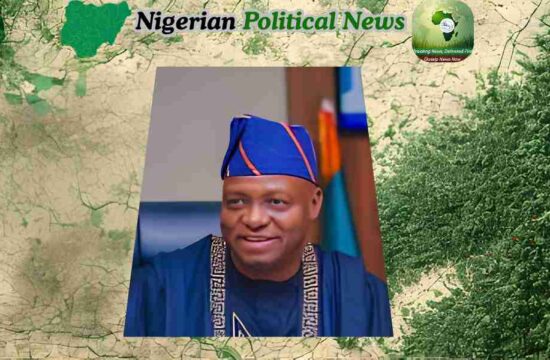
A senior official of the New Nigeria Peoples Party (NNPP) has stirred political debate by insisting that the electoral success that brought Governor Abba Kabir Yusuf to power in Kano State was largely driven by the influence of Rabiu Musa Kwankwaso.
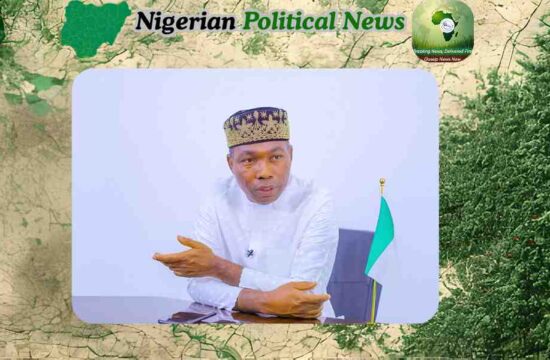
The claim was made by the party’s National Legal Adviser, Magaji Mato (SAN), during an appearance on Arise Television’s Morning Show. In the interview, Mato argued that the strength of the Kwankwasiyya Movement played a decisive role in the governor’s victory at the polls.
Influence of the Kwankwasiyya Movement
According to the NNPP legal adviser, the political structure built by Kwankwaso over the years significantly shaped the electoral outcome in Kano.
He suggested that the movement’s ideology, support base, and long-standing political organisation helped mobilise voters across the state.
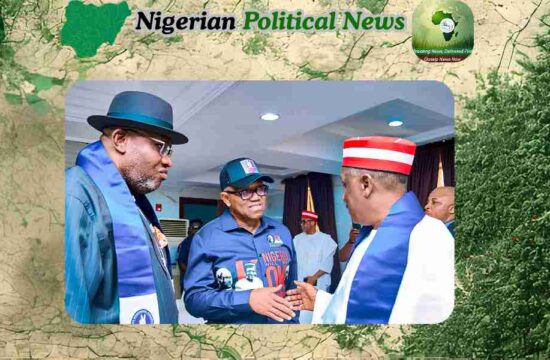
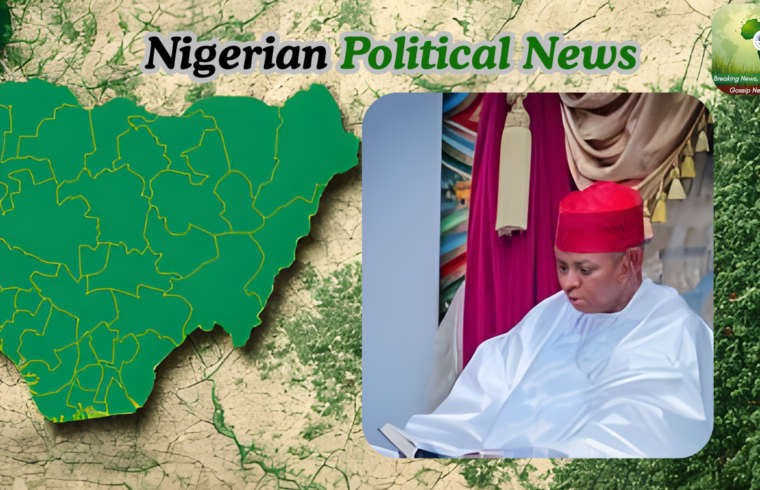
Mato emphasized that the movement’s signature identity—symbolised by the well-known red cap—represents more than a fashion statement; it embodies the philosophy and political ideals associated with Kwankwaso’s leadership.
Questions Over Political Alignment
Recent political developments have created controversy after Governor Yusuf and some of his associates reportedly moved to the All Progressives Congress (APC) while still publicly identifying with the Kwankwasiyya Movement.
Images of some of these politicians wearing the red cap—an emblem traditionally linked to the movement—have drawn attention and raised questions about their current political loyalty.
Mato described this situation as inconsistent, suggesting that it is difficult to maintain allegiance to a movement while operating within a party that represents a different political ideology.
Symbolism of the Red Cap
For many supporters, the red cap has become a visual symbol of Kwankwaso’s political philosophy and the identity of the Kwankwasiyya Movement.
Mato argued that its meaning extends beyond mere appearance and reflects a deeper commitment to a political ideology and leadership structure.
He explained that those who continue to wear the cap while aligning with a different political party may face questions about the coherence of their political position.
Possible Internal Conflict
The NNPP official also suggested that some politicians involved in the recent political shift might be experiencing internal conflict about their political identity.
According to him, individuals who rose to prominence through the Kwankwasiyya political structure may find it difficult to completely detach themselves from the movement.
He hinted that this sense of attachment could explain why some politicians still publicly associate themselves with the movement even after joining another political platform.
Electoral Credit Attributed to Kwankwaso
Reiterating his earlier point, Mato maintained that Kwankwaso’s political influence was the main force behind the governor’s emergence.
He argued that the widespread support commanded by the former governor and the organisational strength of the movement were decisive factors during the election.
According to him, many voters identified more strongly with the Kwankwasiyya brand than with individual candidates.
Commentary and Analysis
Mato’s remarks highlight the deep political influence that the Kwankwasiyya Movement continues to hold in Kano State politics. Over the years, the movement has developed a strong grassroots network that extends beyond party boundaries.
Political observers often note that the movement functions not only as a political organisation but also as a symbol of loyalty and identity among its supporters.
The debate surrounding Governor Yusuf’s political alignment illustrates how powerful political movements can sometimes transcend party affiliations.
At the same time, Mato’s comments reveal the ongoing rivalry and tension between political factions competing for influence in Kano.
As Nigeria’s political landscape evolves toward future elections, the balance between party structures and influential political movements like Kwankwasiyya may continue to shape alliances, loyalties, and electoral strategies in the region.
© 2025 Gossip News Now, a division of CHIEJOS HARBIAN DIGITAL MEDIA LTD. Contact us via admin@gossipnewsnow.online