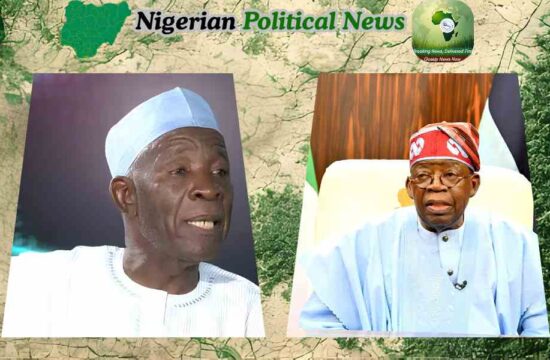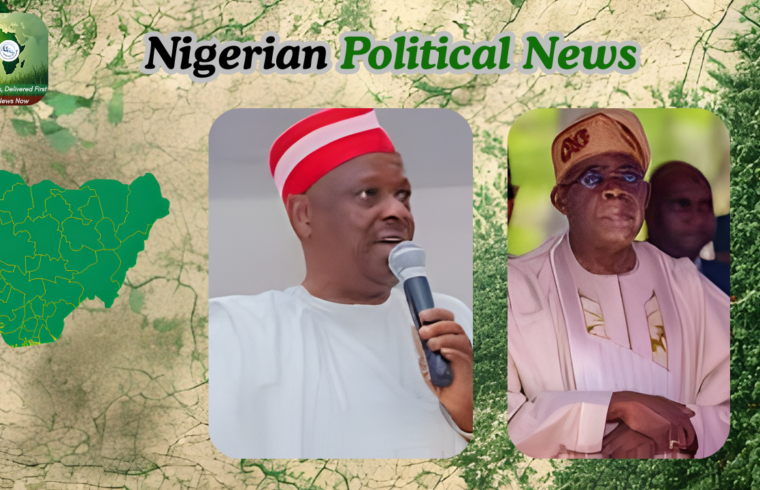
Efforts to build a political alliance between President Bola Tinubu, the All Progressives Congress (APC), and former New Nigeria Peoples Party (NNPP) presidential candidate Rabiu Musa Kwankwaso reportedly ended without success after negotiations failed to produce a mutually acceptable agreement.
Sources familiar with the discussions indicated that the talks initially began because the ruling party viewed Kwankwaso as a potentially valuable political ally, particularly in Kano State and the wider North-west region.
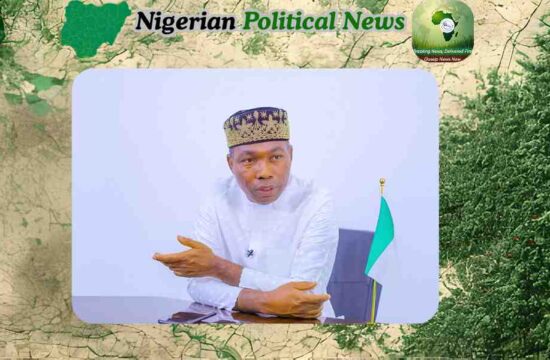
His influence through the well-known Kwankwasiyya movement, symbolized by the distinctive red cap worn by supporters, was believed to give him considerable grassroots appeal in northern politics.
Political strategists within the APC reportedly believed that bringing Kwankwaso into the party could strengthen their electoral position in future contests.
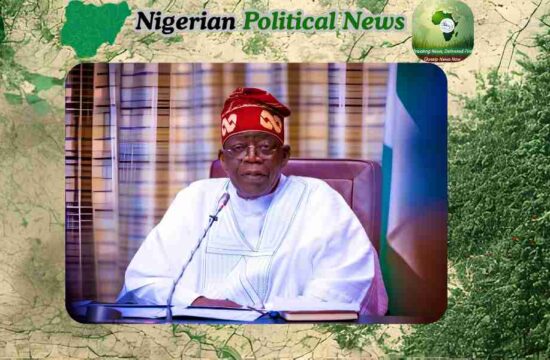
As a result, several meetings were reportedly held between President Tinubu and the former Kano governor in Abuja, where the details of a possible political alignment were discussed.
However, according to insiders, the negotiations eventually reached a deadlock.
Sources said the collapse of the discussions stemmed largely from a series of conditions allegedly presented by Kwankwaso during the talks.
Among the demands reportedly raised were requests for significant influence within the party’s internal structure.
APC insiders claimed that Kwankwaso sought control over a portion of the party’s national leadership framework, a proposal that immediately generated concern among party leaders.
In addition to structural influence within the party, there were also claims that he pushed for a vice-presidential slot in future electoral arrangements.
There were also reports that he requested assurances that would extend beyond the immediate political cycle, potentially shaping leadership arrangements up to 2031.
According to those close to the negotiations, these conditions were seen as unrealistic and difficult for the party to accommodate.
One party source suggested that the request for influence within the APC’s organizational structure became a particularly sensitive issue during the discussions.
The source explained that even prominent party leaders had not made similar claims regarding control of the party’s internal framework.
Other party officials reportedly viewed the request as excessive, particularly at a time when preparations for the 2027 election cycle were already beginning to take shape.
Another insider reportedly remarked that the expectations presented during the talks went beyond what the party considered politically reasonable.
Because the two sides were unable to reconcile their differences, the negotiations eventually stalled and were abandoned.
Following the breakdown in discussions, APC strategists reportedly began exploring alternative political strategies within Kano State.
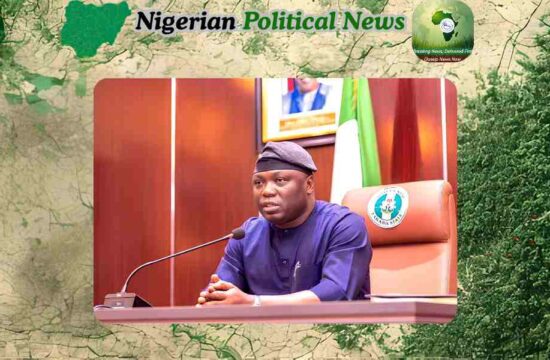
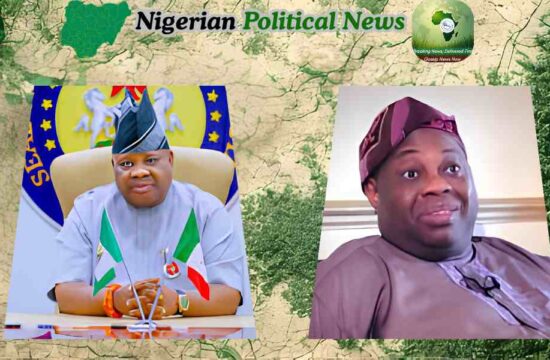
Attention gradually shifted toward Governor Abba Kabir Yusuf, with the presidency and party leaders focusing on strengthening relationships with the sitting governor rather than continuing negotiations with Kwankwaso.
According to sources, this shift was partly influenced by evolving political dynamics within Kano.
Observers noted that disagreements between Kwankwaso and some former allies had altered the state’s political landscape.
For this reason, engaging directly with the incumbent governor was considered by some within the APC as a more practical approach.
Commentary and Analysis
The failed negotiations highlight the complex nature of political alliances in Nigeria, where personal influence, party structure, and electoral strategy often intersect.
Kwankwaso remains one of the most recognizable political figures in northern Nigeria, and his Kwankwasiyya movement has played a significant role in shaping Kano’s political identity.
However, negotiations involving powerful political actors frequently break down when expectations about influence and power-sharing differ significantly.
For the APC, the collapse of the talks appears to have triggered a strategic recalibration, focusing instead on leveraging incumbency and existing political structures in Kano.
The situation also illustrates how shifting alliances can rapidly change political calculations ahead of future elections.
As Nigeria gradually moves closer to the 2027 general elections, alliances, defections, and negotiations like these are likely to continue shaping the country’s political landscape.
© 2025 Gossip News Now, a division of CHIEJOS HARBIAN DIGITAL MEDIA LTD. Contact us via admin@gossipnewsnow.online