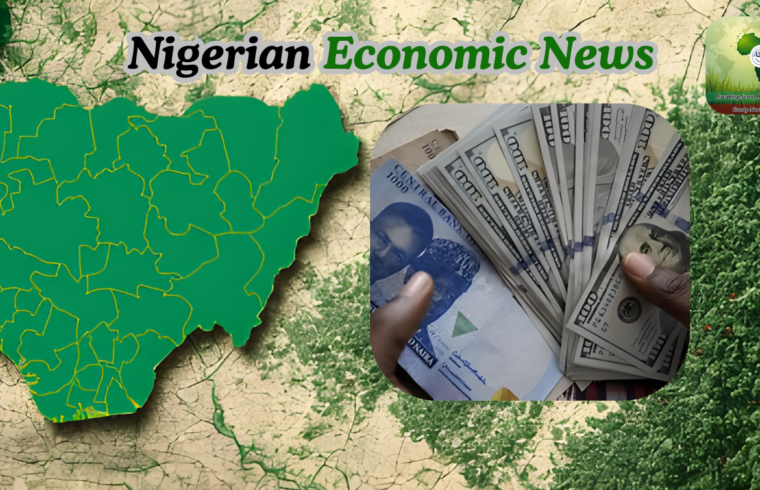
The Nigerian naira has continued to struggle against the United States dollar in the parallel foreign exchange market, with fresh trading figures showing the local currency maintaining a weaker position outside the official banking window.
Currency traders operating in Lagos revealed that the dollar currently exchanges at approximately ₦1,440 for sellers in the black market, while buyers purchase at around ₦1,420 per dollar.
According to Gossip News Now, rates within the informal forex segment remain unstable and can vary depending on location, market demand, and the availability of foreign currency.
Current Parallel Market Rates
Recent checks among Bureau De Change operators and street traders indicate the following market pattern:
- Dollar selling rate: approximately ₦1,440
- Dollar buying rate: approximately ₦1,420
This means Nigerians seeking to purchase dollars from the parallel market are likely to pay the higher amount, while those exchanging dollars for naira may receive lower returns based on dealer pricing margins.
Analysts note that daily fluctuations continue to shape the market, especially as demand for foreign currency remains strong among importers, travelers, and businesses.
Official Market Still Lower Than Black Market
While the informal market continues to trade at elevated levels, the official exchange window regulated by the Central Bank of Nigeria (CBN) remains significantly lower.
Available figures from the official channel show the dollar trading within a tighter range compared to the black market.
Official Exchange Window Snapshot
| Category | Exchange Rate |
|---|---|
| Highest official rate | ₦1,357/$ |
| Lowest official rate | ₦1,350/$ |
The difference between the official and parallel market rates highlights the persistent gap between regulated banking channels and the informal forex sector.
CBN Maintains Position On Parallel Market Transactions
The apex bank has repeatedly maintained that it does not recognize transactions conducted through unauthorized forex channels.
Instead, the CBN continues encouraging individuals and businesses to source foreign exchange through commercial banks and approved financial institutions operating under official regulations.
Despite these directives, many Nigerians still rely heavily on the parallel market due to accessibility challenges and limited dollar availability within the formal banking system.
Forex Market Continues To React To Economic Conditions
Financial experts say several factors continue to influence the naira’s performance against the dollar.
Among the major drivers are foreign exchange liquidity, import demand, inflationary pressure, investor confidence, and broader economic sentiment.
Because the forex market changes rapidly, exchange rates can shift multiple times within a single trading day depending on supply and demand conditions.
Commentary And Analysis
The continued disparity between the official and parallel market exchange rates reflects the ongoing pressure facing Nigeria’s foreign exchange system.
Although authorities have introduced several reforms aimed at stabilizing the naira, demand for dollars in the informal market remains high.
Economic observers believe the gap between both markets could continue to influence inflation, business operations, and consumer prices across the country.
For many Nigerians, the exchange rate remains a key indicator of economic stability, making daily dollar-to-naira movements one of the most closely monitored financial developments nationwide.
© 2025 Gossip News Now , a division of CHIEJOS HARBIAN DIGITAL MEDIA LTD. Contact us via admin@gossipnewsnow.online