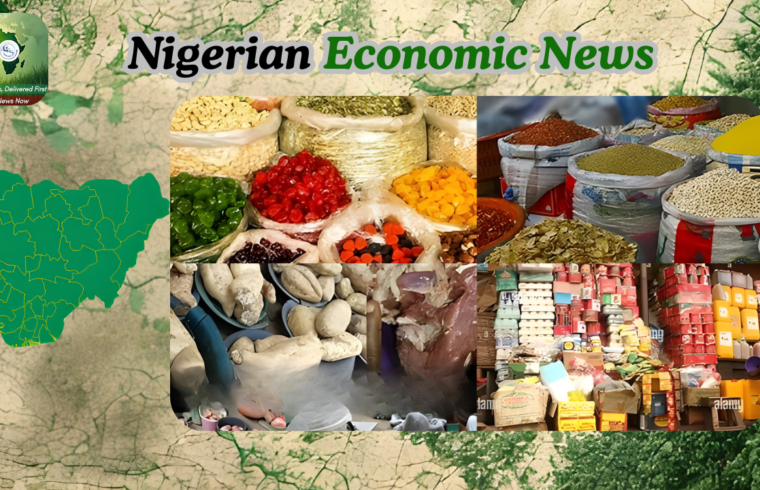
Nigerians across different states are once again grappling with rising food prices as the cost of major household essentials continues to increase in local markets.
From rice and beans to packaged foods, cooking oil, noodles, and seasonings, the latest market figures reveal growing pressure on household spending amid persistent inflation.
Fresh Market Prices Show Increase In Staple Foods
Recent market surveys conducted across several retail outlets indicate that prices of commonly consumed food products remain unstable.
Many families have continued adjusting their spending habits as basic items become more expensive.
Below are some of the latest average prices recorded in markets nationwide:
- 50kg bag of rice — between ₦58,000 and ₦61,000
- Beans (white or red, per mudu) — around ₦2,500
- Spaghetti carton — approximately ₦18,520
- Indomie noodles carton — close to ₦9,800
- Terra vegetable oil (1 litre) — about ₦3,300
- Semo bag — estimated at ₦12,550
- Cornflakes roll — around ₦1,350
- Choco Pops roll — approximately ₦1,300
- Tomato paste roll — about ₦1,200
- Golden Penny butter — around ₦920 per unit
- Large salt pack — roughly ₦450
- Maggi Knorr seasoning carton — close to ₦2,150
The continued increase in prices has intensified concerns among consumers already struggling with economic hardship.
Families Struggle With Rising Living Costs
The latest food price surge comes at a time when many Nigerians are already facing high transportation costs, electricity challenges, and expensive energy bills.
For low-income households, the rising cost of daily meals is becoming increasingly difficult to manage.
Many traders and consumers say they have noticed steady price adjustments over recent months across multiple food categories.
Naira Depreciation Affecting Food Prices
One of the major factors driving food inflation remains the weakening value of the naira against foreign currencies.
Imported food products, packaging materials, additives, and processing inputs have all become more expensive due to exchange rate instability.
According to Gossip News Now, this has significantly affected the final prices consumers pay in local markets.
Transport Costs Continue To Push Prices Up
Another major challenge affecting food prices is the increasing cost of transportation.
Rising fuel prices and security concerns along major highways have made it more expensive to move goods from farms, factories, and warehouses to urban markets.
The added logistics expenses are often transferred directly to consumers through higher retail prices.
Manufacturers Facing Production Challenges
Local food producers and processing companies are also battling rising operational costs.
Frequent electricity shortages, heavy dependence on diesel generators, and equipment maintenance expenses continue placing pressure on manufacturers.
Industry operators say these challenges are making local production more expensive across different sectors.
Imported Inputs Still Affect Many Products
Although some food items are produced locally, many packaged products still depend partly on imported ingredients or raw materials.
Products such as breakfast cereals, vegetable oil, noodles, and spaghetti remain vulnerable to global market conditions and foreign exchange fluctuations.
This dependence continues exposing Nigerian consumers to international price instability.
Agricultural Challenges Impact Food Supply
Food supply has also been affected by insecurity in farming communities, flooding, poor storage systems, and transportation difficulties.
Farmers in several regions continue facing obstacles that reduce agricultural output and increase food scarcity.
Lower supply combined with rising demand has contributed significantly to the steady increase in food prices nationwide.
Economic Pressure Continues On Nigerian Households
The persistent rise in food costs has forced many Nigerians to reconsider spending priorities and reduce household consumption.
Some consumers now buy smaller quantities of staple foods while others increasingly search for cheaper alternatives.
The situation has also intensified discussions about inflation, food security, and economic hardship across the country.
Commentary And Analysis
The latest increase in food prices highlights the ongoing economic strain affecting millions of Nigerian households.
Multiple factors — including exchange rate instability, transportation expenses, insecurity, and production costs — continue combining to drive inflation across the food sector.
The situation also underscores the urgent need for stronger agricultural support, improved infrastructure, and economic policies capable of stabilising household living costs nationwide.