National Assembly Pushes Forward With Electoral Reform Agenda
The House of Representatives has reaffirmed its determination to deliver a comprehensive Electoral Reform Bill aimed at strengthening Nigeria’s democratic institutions and improving public confidence in future elections.
Speaking on the progress of the legislation, House spokesman Akintunde Rotimi urged Nigerians to remain optimistic, assuring citizens that lawmakers are working toward a final version capable of addressing concerns raised during previous electoral exercises.
Electoral Transparency Remains Key Objective
According to Akintunde Rotimi, the proposed reforms are designed to improve transparency, accountability, and efficiency within Nigeria’s electoral system.
He explained that lawmakers have carefully reviewed challenges observed during the 2023 general elections and are incorporating measures intended to close loopholes and strengthen the credibility of the voting process.
The lawmaker maintained that the ultimate goal is to create a framework that inspires greater trust among voters and political stakeholders.
Work Continues On Harmonising The Bill
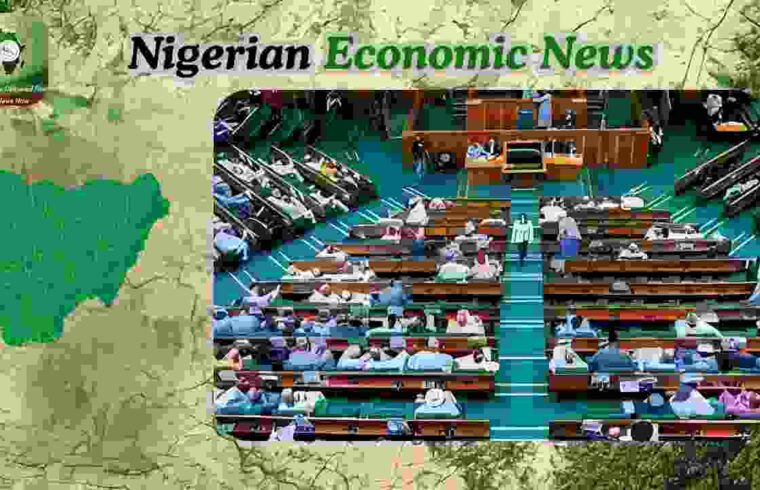
The electoral reform process has now entered a crucial stage, with both chambers of the National Assembly working to reconcile differences between their respective versions of the proposed legislation.
Following the passage of the House draft in December, lawmakers from the Senate and House have continued discussions aimed at producing a unified document that can proceed through the remaining legislative stages.
Gossip News Now reports that extensive consultations have remained central to the development of the bill, ensuring that different viewpoints are considered before its final adoption.
Stakeholders Contribute To Reform Discussions
Rotimi disclosed that the reform effort has benefited from broad participation involving civil society groups, community leaders, policy experts, and various interest groups.
Joint committees overseeing electoral matters have reportedly held several meetings, workshops, and retreats to gather recommendations on how best to improve Nigeria’s democratic processes.
The spokesperson emphasized that inclusive engagement is necessary if electoral reforms are to enjoy widespread public acceptance and legitimacy.
Credible Elections Essential For Democracy
While discussing the importance of the bill, Akintunde Rotimi stressed that democracy can only thrive when citizens have confidence in the electoral process.
He noted that voters must be able to participate freely without intimidation and remain assured that their ballots will be counted accurately.
According to him, protecting the integrity of elections remains one of the most important responsibilities of lawmakers and electoral institutions.
Constituency Projects Commissioned In Ekiti State
The remarks were made during the inauguration of several constituency projects in Ikole Local Government Area of Ekiti State, where Rotimi represents Ekiti North Federal Constituency I.
Among the projects unveiled were newly constructed roads serving communities in Isaba and Oke-Ayedun, as well as staff accommodation facilities built for Odo-Oro High School in Odo-Oro Ekiti.
He explained that the projects emerged from consultations with local residents, allowing communities to directly influence development priorities within the constituency.
Community Input Shapes Development Plans
According to the lawmaker, community participation remains a critical factor in determining which projects receive attention.
He stated that regular consultations with constituents help lawmakers identify pressing needs and ensure that public resources are directed toward projects that have meaningful impact on local populations.
This approach, he said, helps strengthen accountability and improves the effectiveness of constituency interventions.
Rotimi Highlights Legislative Achievements
Reflecting on his record in the House, Akintunde Rotimi revealed that he has sponsored more than 40 bills since assuming office.
Among the legislative proposals he highlighted were measures relating to independent candidacy, whistle-blower protection, and efforts to combat sexual harassment within educational institutions.
He described these initiatives as part of a broader commitment to governance reforms and institutional strengthening.
ADC Raises Concerns Over Delays
Meanwhile, the African Democratic Congress (ADC) has urged the Senate to expedite work on the Electoral Bill 2025.
In a statement issued by its National Publicity Secretary, Bolaji Abdullahi, the party expressed concern that prolonged delays could complicate preparations for the 2027 general elections.
The opposition party further alleged that the legislative process was moving too slowly and warned that unnecessary postponements could undermine public confidence in electoral reforms.
Analysis: Electoral Reform Seen As Critical To 2027 Preparations
The ongoing debate surrounding the Electoral Reform Bill highlights the growing importance of strengthening Nigeria’s electoral framework before the next general elections.
While lawmakers insist that substantial progress is being made, stakeholders continue to monitor the pace of the process closely. The success of the reforms may play a significant role in shaping voter confidence, election administration, and democratic stability in the years ahead.
With consultations ongoing and harmonisation efforts nearing completion, attention is now focused on whether the National Assembly can deliver a final bill that satisfies public expectations and reinforces the credibility of Nigeria’s electoral system.