Economy Today
Questions about security accountability have taken on broader economic significance after Senator Adams Oshiomhole opposed calls for an international investigation into the rescue of pupils and teachers in Oyo State.
According to the senator, strengthening confidence in Nigeria’s own institutions is essential not only for national sovereignty but also for maintaining credibility among citizens, businesses and investors.
Need to Know
- Oshiomhole rejected calls for a United Nations investigation.
- He argued Nigeria has capable institutions to conduct its own inquiries.
- The senator accused Governor Seyi Makinde of politicising the incident.
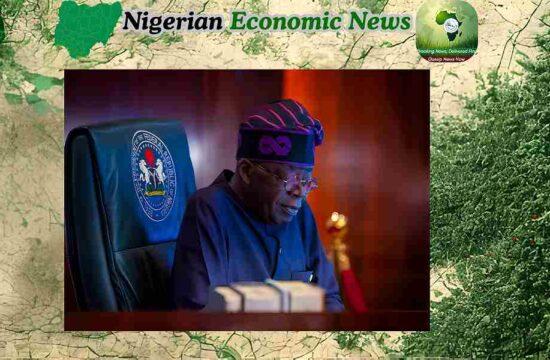
- He praised President Bola Tinubu’s administration and security agencies for the rescue operation.
- The debate has renewed discussions about institutional confidence and governance.
Market Development
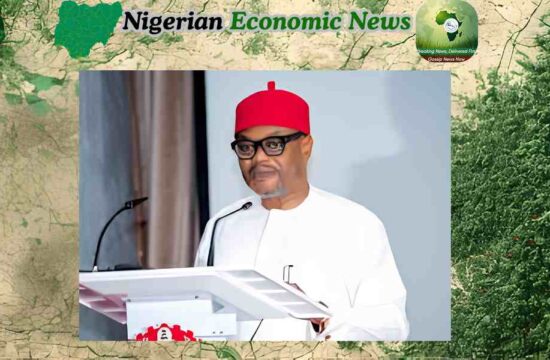
During Senate proceedings, Adams Oshiomhole maintained that security investigations involving Nigeria should remain within the country’s established institutions.
He argued that requesting intervention from international organisations sends the wrong signal about Nigeria’s institutional capacity and overlooks the work carried out by domestic security agencies.
The senator also defended the Federal Government’s handling of the rescue operation, describing it as evidence of improving coordination among national security institutions.
Key Implications
Security is widely recognised as one of the foundations of economic development.
Countries with trusted public institutions often enjoy:
- stronger investor confidence;
- improved business certainty;
- better economic planning;
- lower investment risk;
- greater long-term economic stability.
Political debates surrounding institutional credibility therefore extend beyond governance into broader economic considerations.
Economic Background
Nigeria’s economic performance is closely linked to perceptions of security and institutional effectiveness.
Domestic and international investors often assess:
- the rule of law;
- effectiveness of public institutions;
- policy consistency;
- governance standards;
- the ability of security agencies to maintain stability.
These factors influence investment decisions alongside traditional economic indicators.
Economic Snapshot
Key institutions referenced in the debate include:
- Nigerian security agencies.
- The National Assembly.
- The Presidency.
- The United Nations (as proposed by Governor Makinde).
The discussion centres on whether domestic institutions alone should handle investigations into sensitive national security matters.
Industry Opinion
Governance specialists frequently note that institutional credibility is an important component of economic development.
Transparent investigations, effective public administration and confidence in national institutions can strengthen investor perceptions, while prolonged uncertainty or institutional disputes may affect the broader business environment.
Regardless of differing political opinions, credible investigative processes remain central to maintaining public trust.
Household Effect
Although the discussion is taking place at the political level, Nigerians may ultimately experience the broader effects through:
- stronger public confidence in government institutions;
- improved security conditions for businesses;
- greater economic stability;
- increased opportunities for investment and employment;
- enhanced confidence in public administration.
A stable institutional environment generally supports long-term economic growth.
Financial Commentary
The disagreement reflects two different approaches to public accountability.
One perspective argues that international oversight strengthens transparency, while the other maintains that relying on domestic institutions reinforces national sovereignty and institutional confidence.
Whichever approach prevails, the effectiveness, independence and credibility of investigative processes remain critical to sustaining public trust and supporting Nigeria’s economic reputation.
Outlook
Attention will now focus on:
- further political reactions;
- any official response from Governor Makinde;
- continued assessments of the rescue operation;
- developments in national security policy;
- the broader implications for governance and institutional confidence.
Share Your View
What do you think?
- Should sensitive security investigations remain entirely within Nigeria’s institutions?
- Can stronger domestic institutions improve investor confidence?
- How important is national security to Nigeria’s long-term economic growth?
Join the discussion in the comments.
Closing Analysis
While the exchange between Adams Oshiomhole and Seyi Makinde is rooted in politics, it also raises broader economic questions about governance, institutional credibility and national stability.
Strong public institutions and effective security systems remain essential ingredients for attracting investment, supporting business confidence and sustaining long-term economic development. The debate therefore extends beyond political disagreement to the wider issue of how institutional trust shapes Nigeria’s economic future.