Former Senate Leader Speaks on Political Realignment and Tinubu’s Economic Reforms
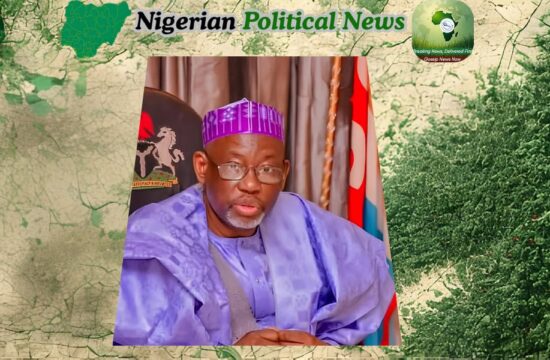
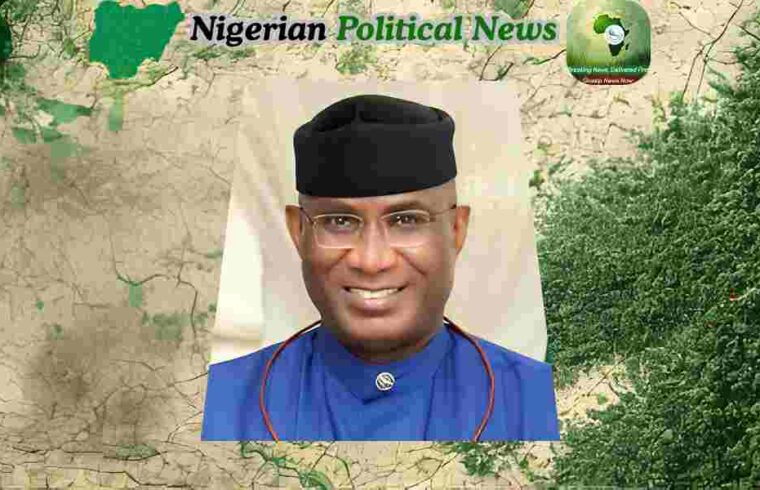
Former Deputy Senate President Ovie Omo-Agege has opened up on his departure from the All Progressives Congress (APC), insisting that he was not the one who walked away from the ruling party.
Speaking during a television interview, the Delta State politician argued that the political relationship between him and the APC had effectively broken down long before his recent political move. According to him, the party failed to maintain its connection with him and the large support base he had built over the years.
Claims of Political Isolation
According to Ovie Omo-Agege, more than 240,000 supporters who stood firmly behind him in Delta State were also left without proper political recognition and inclusion.
The former lawmaker maintained that his political convictions remain largely unchanged despite aligning himself with a different platform. He stressed that his recent political decision should not be interpreted as a rejection of policies he previously endorsed while in the APC.
Support for Key Economic Policies Remains Unchanged
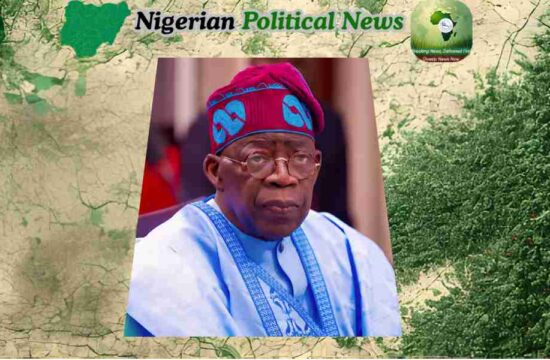
One of the major points raised by Omo-Agege was his continued backing of some of the economic measures introduced by President Bola Tinubu.
He noted that reforms such as the removal of fuel subsidy and the liberalisation of the naira were difficult but necessary decisions aimed at addressing long-standing economic challenges facing Nigeria.
While acknowledging that many Nigerians have expressed concerns over the immediate impact of these policies, he insisted that the reforms themselves should not be dismissed simply because of the hardship associated with their implementation.
Reference to Peter Obi’s Position
The former Deputy Senate President also pointed out that similar economic ideas had previously been supported by Peter Obi, the former presidential candidate of the Labour Party.
He suggested that the debate should focus less on who introduced the policies and more on who can effectively implement them in a manner that inspires public confidence.
In his view, many Nigerians may feel more reassured if such reforms are executed by leaders they trust, regardless of the political platform involved.
Why His Political Position Has Not Changed
Explaining his stance further, Ovie Omo-Agege emphasized that changing political platforms does not necessarily mean abandoning previously held beliefs.
He stated that he continues to view subsidy removal and currency reforms as important economic tools. However, he believes their success depends largely on leadership credibility, transparency and effective execution.
Rather than rejecting the policies, he argued that stronger public engagement and improved implementation strategies could help reduce resistance among citizens affected by the reforms.
Political Implications for Delta State
The comments by Omo-Agege are likely to fuel fresh conversations about political loyalty and party structures in Delta State, where realignments have continued to reshape the political landscape.
His assertion that both he and his supporters were sidelined by the APC may also influence future political calculations as parties prepare for upcoming electoral contests.
Analysis: What Omo-Agege’s Remarks Mean
The latest remarks reveal that the disagreement between Ovie Omo-Agege and the APC extends beyond party membership and touches on questions of political inclusion and influence.
Gossip News Now reports that his comments also highlight a broader national debate regarding economic reforms under President Bola Tinubu. While opinions remain divided on the short-term consequences of subsidy removal and naira reforms, political leaders across party lines continue to acknowledge the need for structural economic changes.
As Nigeria’s political environment evolves, statements from influential figures such as Ovie Omo-Agege, Bola Tinubu, and Peter Obi are expected to remain central to discussions surrounding governance, economic policy, and voter confidence.