Debate Intensifies Over Presidential Involvement in Rivers Political Dispute
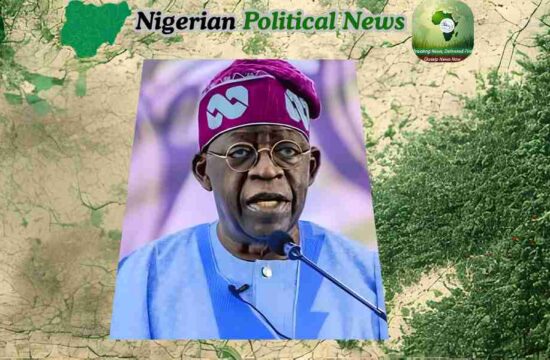
The ongoing political tensions in Rivers State have continued to generate widespread debate, with differing opinions emerging over the decision of President Bola Tinubu to become involved in efforts aimed at easing the crisis surrounding Governor Siminalayi Fubara.
Across the South-South region and beyond, political stakeholders remain divided on whether the President’s intervention represents a stabilizing force or an unnecessary intrusion into state political affairs.
Supporters See Tinubu’s Actions as a Move for Stability
Among those backing the President’s approach is Joseph Ambakaderimo, leader of the South-South Reawakening Group and Chairman of the Board of Trustees of the Community Committee of Oil and Gas Producing Areas of the Niger Delta States.
He described Bola Tinubu as an experienced political strategist who understands the importance of preventing further instability in a state considered critical to Nigeria’s economy.
According to Ambakaderimo, efforts to halt another impeachment attempt against Siminalayi Fubara should be viewed as part of a broader attempt to preserve peace and protect the interests of Rivers residents.
Warning Against Political Manipulation
While praising the President’s involvement, Joseph Ambakaderimo urged caution regarding individuals allegedly attempting to create friction between Tinubu and Nyesom Wike.
He suggested that Wike occupies an influential political position and compared his importance within current political structures to the role once played by the late Tony Anenih during the administration of former President Olusegun Obasanjo.
In his assessment, sustainable peace cannot be imposed from outside but must come from genuine reconciliation between the principal actors involved in the dispute.
Questions Raised Over Political Influence
The political analyst also argued that Siminalayi Fubara has yet to build the same level of political influence associated with Nyesom Wike, particularly regarding electoral mobilization and political organization.
For that reason, he believes the crisis can only be resolved when both leaders find common ground and agree on a path forward.
His position reflects the view of those who see dialogue and compromise as the most realistic solution to the prolonged conflict.
Critics Challenge Tinubu’s Neutrality
Not everyone shares that perspective.
Dr. Jackson Omenazu, Chancellor of the International Society for Social Justice and Human Rights, criticized the President’s handling of the situation and questioned whether sufficient neutrality has been demonstrated throughout the process.
According to him, national leaders are expected to maintain balance during political disputes, especially when conflicts involve competing interests within a strategic state.
Debate Over Political Leadership in Rivers State
A major point of disagreement centers on the question of political leadership within the state.
Omenazu argued that the concept of multiple political power centers contradicts what many citizens expect from party structures. He questioned why Governor Siminalayi Fubara should not be recognized as the primary political leader within Rivers State, noting that similar arrangements are not commonly associated with other APC-controlled states.
He further suggested that the ongoing situation raises concerns about fairness and political independence.
Constitutional and Party Structure Concerns
Another issue raised by critics involves the constitutional and organizational framework governing party leadership.
According to Dr. Jackson Omenazu, decisions regarding party leadership at the state level traditionally fall within the authority of party institutions rather than the office of the President.
This argument has fueled broader discussions about political influence, internal party democracy, and the proper boundaries of executive involvement in state-level disputes.
Gossip News Now reports that the contrasting opinions surrounding the Rivers crisis continue to highlight deep divisions among political observers regarding the best path toward lasting stability.
Commentary and Analysis
The reactions to Bola Tinubu’s intervention reveal how complex the Rivers State political crisis has become. Supporters view the President’s involvement as a necessary step to prevent further escalation, while critics believe the situation demands greater neutrality and respect for established political structures.
As tensions persist, the central question remains whether reconciliation between Siminalayi Fubara and Nyesom Wike can be achieved through dialogue. Regardless of differing viewpoints, the crisis has evolved into one of the most closely watched political developments in Nigeria, with implications that could influence future political alignments both within Rivers State and nationally.