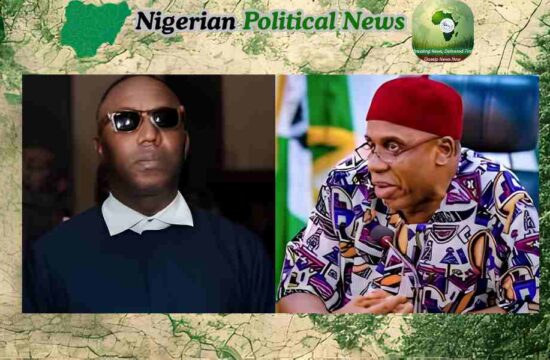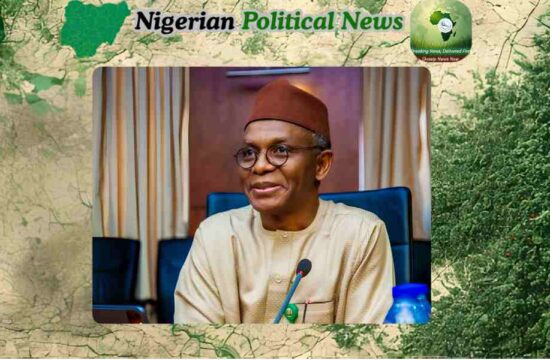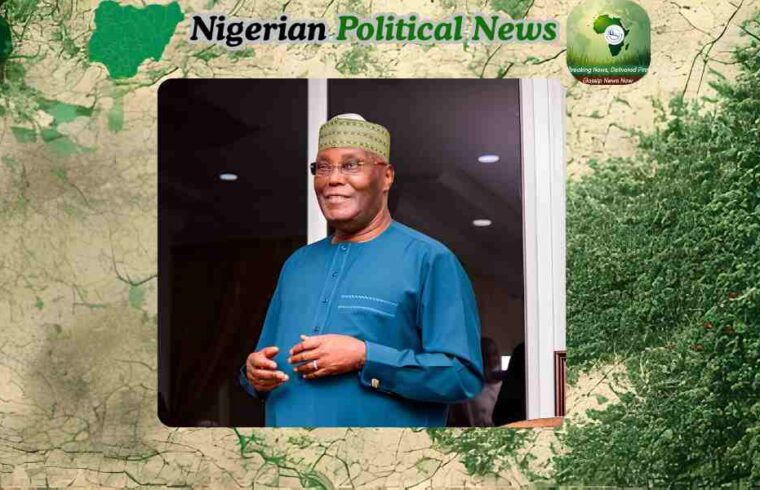
The 2027 presidential race may be taking shape around a changing political calculation in the North, following a claim that African Democratic Congress (ADC) presidential candidate Atiku Abubakar is gaining greater acceptance among core Northerners.
The assessment came from Bashir El-Rufai, son of former Kaduna State governor Nasir El-Rufai, who made the claim in a post on his 𝕏 handle.
Key Facts
Bashir said the development represents a notable shift in Atiku’s political career, arguing that core Northerners are embracing him in a way they have not previously done.
He linked the reported movement partly to Atiku’s longstanding description of himself as one of the country’s most detribalised politicians.
Bashir also argued that Atiku’s position on fuel subsidy removal is creating political pressure for the Federal Government.
The 2027 Political Context
The claim comes as political activity surrounding the 2027 presidential election continues to develop, with questions increasingly focusing on the strength of potential candidates across Nigeria’s major political regions.
Atiku’s reported traction in the core North is therefore significant as a political argument, although the material provided does not establish the scale of any such support through polling or election results.
Bashir further described his father, Nasir El-Rufai, as remaining resilient despite the political circumstances surrounding him, saying he had asked whether the former governor still considered his “sacrifice” worthwhile and received an affirmative response.
Atiku Challenges Government Over $16bn Allegation
Separately, Atiku has challenged the Federal Government to investigate and prosecute him if it possesses evidence connecting him to the alleged misappropriation of $16 billion in power-sector funds during his time in government.
According to a statement issued by his Senior Special Assistant on Public Communication, Phrank Shaibu, Atiku accused President Bola Tinubu’s administration of recycling old allegations to divert attention from questions surrounding revenues generated after the removal of the petrol subsidy.
Atiku also called on the government to explain how funds saved from subsidy removal since 2023 have been used.
Strategic Assessment
The two issues place Atiku’s political positioning and economic messaging within the same emerging 2027 conversation.
Bashir’s claim, if sustained by broader political or electoral evidence, could make northern acceptance an important part of discussions about Atiku’s prospects. At the same time, Atiku’s focus on subsidy revenues gives him another avenue for challenging the Federal Government over the economic consequences of its policies.
However, neither political traction nor public dissatisfaction should automatically be treated as evidence of an eventual electoral outcome. The significance of these developments will depend on how political alliances, voter preferences and campaign dynamics evolve before 2027.
What Happens Next?
The central question is whether the reported change in Atiku’s relationship with the core North will translate into measurable political support as the 2027 contest develops.
Will the subsidy debate become a major issue in the presidential race? And can Atiku’s reported northern traction move beyond political commentary into demonstrable voter support?