Is Returning Fuel Subsidy the Answer?
As Nigeria continues to grapple with the effects of rising transport costs, a fresh political debate has emerged over whether restoring the fuel subsidy would provide meaningful relief to citizens.
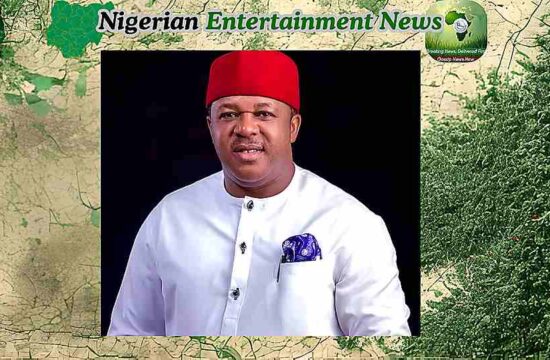
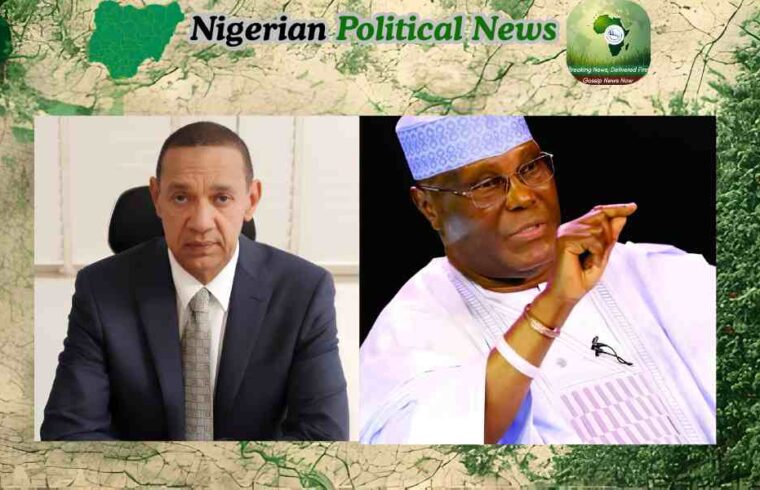
Former Bayelsa Senator Ben Murray-Bruce has rejected the proposal attributed to African Democratic Congress (ADC) presidential candidate Atiku Abubakar, arguing that bringing back the fuel subsidy would not solve the country’s economic challenges.
Instead, Murray-Bruce is calling for state governments to introduce transport subsidies aimed at reducing the cost of movement for residents.
In Brief
- Atiku Abubakar has proposed returning the fuel subsidy if elected president, according to the report.
- Former Senator Ben Murray-Bruce has rejected the proposal.
- Murray-Bruce argued that the subsidy system had been associated with corruption, inefficiency and fuel smuggling.
- He praised President Bola Ahmed Tinubu for removing the subsidy and increasing allocations to state governments.
- He called on the 36 state governors and the Minister of the Federal Capital Territory to introduce state-funded transport subsidies.
- His proposals include free transport for students and a maximum intra-city fare of ₦500.
Why It Matters
The disagreement goes beyond the political positions of two individuals because it concerns how government should respond to the pressure created by rising transportation costs.
While Atiku’s reported proposal focuses on bringing back fuel subsidy, Murray-Bruce is advocating a more targeted intervention through transportation.
His proposal would place greater responsibility on state governments to use their available resources to reduce the cost of movement within their respective states.
The debate therefore presents two different approaches to addressing the economic pressure associated with transportation: intervention through fuel subsidy or direct support for public transportation.
The Competing Policy Positions
Murray-Bruce’s criticism followed Atiku Abubakar’s reported proposal to restore the fuel subsidy if he becomes president.
The former senator rejected that approach, arguing that Nigeria had already experienced the subsidy system for decades without delivering the broad benefits expected by ordinary citizens.
“Atiku Abubakar is wrong. Bringing back the fuel subsidy is not the answer,” Murray-Bruce said.
He argued that the previous subsidy system had contributed to corruption and inefficiencies while also benefiting fuel smugglers.
According to Murray-Bruce, the experience of the past four decades does not justify returning to the same arrangement.
Murray-Bruce’s Position on Tinubu’s Subsidy Removal
While criticising the idea of restoring the subsidy, Murray-Bruce commended President Bola Ahmed Tinubu for removing it.
He also pointed to increased allocations to state governments as part of the changes that followed the subsidy removal.
According to Murray-Bruce, the Federal Government has therefore done its part, while state governments should now take greater responsibility for cushioning the impact of transportation costs on their residents.
He said:
“Mr President, you have done well. Removing the subsidy was hard, and you did it. You have also sent far more money to the states than any President before you. The Federal Government has done its part. Now the states must do theirs.”
Murray-Bruce argued that subsidising transportation within individual states should primarily be the responsibility of state governments rather than the Federal Government.
A State-Funded Transport Alternative
Rather than returning to fuel subsidy, Murray-Bruce proposed a transport intervention that would operate at the state level.
His argument is that state governments are better positioned to address transportation within their territories because intra-state movement falls largely within their areas of responsibility.
He said:
“Subsidising transport inside a state is the job of that state government. It is not the job of the President.”
Murray-Bruce therefore called on the 36 state governors and the Minister of the Federal Capital Territory to consider measures that would directly reduce transport costs for residents.
His proposal includes free transportation for students and controlled fares for intra-city journeys.
What Murray-Bruce Is Proposing
One of the central elements of Murray-Bruce’s proposal is free transportation for students travelling to and from school.
He said:
“Students ride free. Every student, to school and back home, at no cost. Not discounted. Free.”
He also proposed that passengers should not pay more than ₦500 for a journey from one end of a city to another, while smaller cities and towns should have lower fares.
Another part of his proposal involves supporting existing commercial transport operators instead of requiring governments to purchase buses themselves.
The approach would therefore focus on reducing passengers’ transport costs while working with existing transport providers.
Editorial Analysis
The disagreement illustrates two different ways of approaching the economic pressure associated with transportation.
A return to fuel subsidy would seek to influence the cost of petroleum products, with the expectation that lower fuel costs could ease pressure across the wider economy.
Murray-Bruce’s proposal takes a more targeted approach by directing government support specifically toward transportation users.
His position also shifts much of the responsibility to state governments, which he argues should use their increased allocations to cushion residents from high transport costs.
The practical outcome of such a proposal would depend on how individual states design and implement their transport programmes, including how beneficiaries are identified, how fares are controlled and how existing commercial operators are incorporated.
Political Implications
The fuel subsidy debate could become an important policy issue ahead of the 2027 presidential election, particularly as political candidates present competing approaches to economic hardship and the cost of living.
Atiku’s reported position and Murray-Bruce’s response demonstrate how subsidy policy can become part of the wider political debate over the direction of Nigeria’s economy.
The disagreement also raises questions about the appropriate division of responsibilities between the Federal Government and state governments when policies have direct consequences for citizens.
For state governments, Murray-Bruce’s proposal would require decisions on funding, transport operators, fare limits and the provision of free services to students.
Editorial Wrap-Up
The disagreement between Atiku Abubakar and Ben Murray-Bruce reflects a wider debate over how Nigeria should respond to the pressures associated with fuel and transportation costs.
While Atiku’s reported proposal centres on returning the fuel subsidy, Murray-Bruce argues that the country should not return to the previous system and instead wants state governments to provide targeted transport support.
His proposals, including free transportation for students and a ₦500 maximum intra-city fare, place the focus on direct assistance to transport users rather than restoring the fuel subsidy.
As the 2027 political season approaches, competing positions on fuel subsidy, transportation and economic relief are likely to remain important parts of the policy debate.