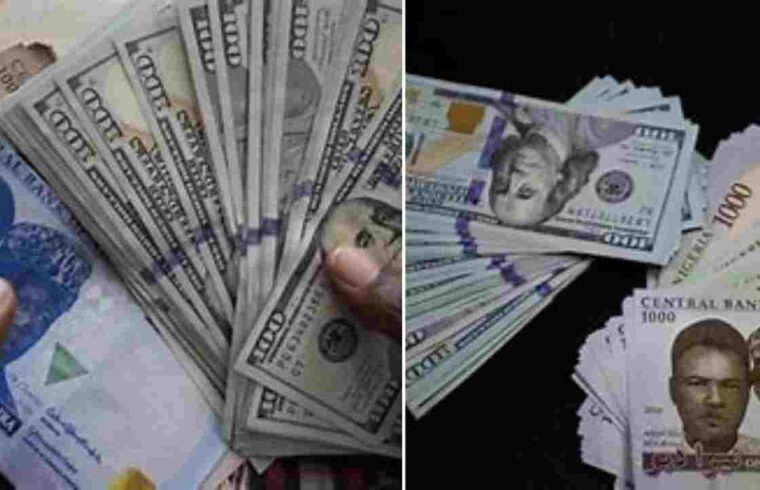
Naira Faces Continued Pressure as Forex Market Remains Volatile
The value of the Nigerian Naira against the United States Dollar as published by naija exchange market news developments , continues to attract close attention from businesses, investors and everyday Nigerians navigating the country’s evolving economic environment.
Despite ongoing regulatory measures, a noticeable difference remains between exchange rates available through official channels and those obtainable in the parallel market. This gap continues to influence financial decisions across multiple sectors of the economy.
Current Black Market Dollar-to-Naira Rates
Activity within the parallel foreign exchange market remains strong, with rates largely determined by prevailing demand and the availability of dollars.
According to information obtained from currency traders, dealers are currently purchasing the U.S. Dollar at approximately ₦1,480 before reselling it at around ₦1,502.
Rather than operating at a fixed rate, the market reflects changing conditions that can vary throughout the day depending on transaction volume and local demand patterns.
Official Forex Window Shows Lower Dollar Valuation
While many participants continue to rely on alternative markets, the Central Bank of Nigeria (CBN) maintains its preference for foreign exchange transactions to be conducted through authorized financial institutions.
Gossip News Now reports that figures from the official window indicate a lower exchange rate compared to the parallel market, reflecting the regulated nature of the system.
Recent data shows that the dollar traded within a controlled range, with rates fluctuating between approximately ₦1,464 and ₦1,475 per dollar.
The difference between these figures and black market rates highlights the continuing separation between Nigeria’s two major foreign exchange markets.
Why Rates Differ Across Locations
Foreign exchange pricing in Nigeria is rarely uniform. Several factors influence the rates offered by dealers, including the availability of foreign currency, transaction size, geographic location and prevailing economic sentiment.
As a result, individuals may encounter slight variations when exchanging currency in different cities or through different operators. Market conditions can also change rapidly, causing rates to shift within short periods.
Understanding the Ongoing Gap Between Markets
The persistence of the disparity between official and parallel market rates remains one of the defining characteristics of Nigeria’s foreign exchange landscape.
Limited access to dollars through official channels has encouraged many individuals and businesses to seek alternatives. For some importers and commercial operators, the parallel market often provides quicker access to foreign currency despite the higher exchange rates involved.
This situation continues to create a dual-pricing environment that affects purchasing decisions, business planning and operational costs.
Commentary and Analysis
The sustained difference between official and black market exchange rates points to broader challenges within Nigeria’s forex ecosystem. Demand for foreign currency continues to outpace available supply in many areas of the economy, creating pressure on the naira and increasing reliance on alternative markets.
For businesses that depend heavily on imports, fluctuations in exchange rates can significantly impact costs and profitability. This often leads to higher prices for goods and services, contributing to broader inflationary pressures within the economy.
Another important issue is market confidence. When businesses and consumers perceive difficulties in accessing foreign exchange through official channels, demand naturally shifts toward informal alternatives. This dynamic can make it more difficult to close the gap between both markets.
Looking ahead, improvements in forex liquidity, stronger investor confidence and increased dollar inflows may help stabilize the market over time. Until then, exchange rate movements will likely remain a key area of focus for individuals and organizations managing financial decisions in Nigeria.