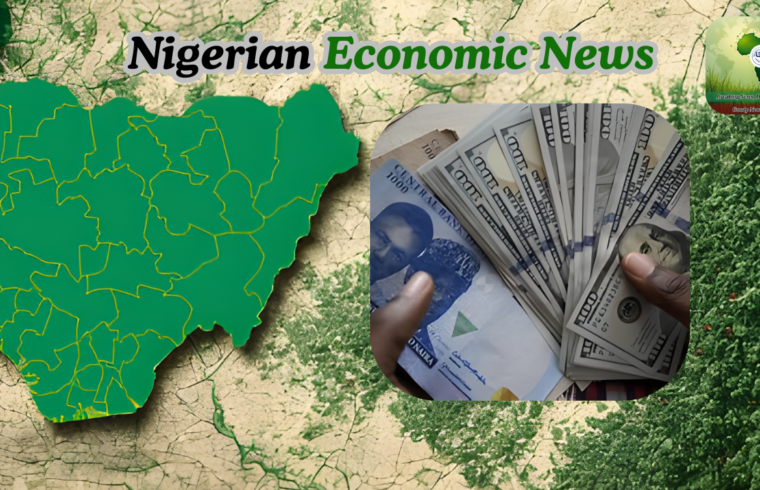
The performance of the Nigerian currency remains a key concern for traders, investors, and everyday citizens, as fluctuations between the naira and the U.S. dollar continue to shape economic decisions. Recent figures reflect ongoing dynamics across both official and unofficial foreign exchange channels.
In the parallel market, often driven by demand and informal trading activity, rates in Lagos show a noticeable gap compared to official benchmarks. Currency dealers indicated that the dollar is being exchanged at approximately ₦1,480 for selling and ₦1,478 for buying, highlighting the persistent pressure on the naira within this segment.
On the regulatory side, the Central Bank of Nigeria has maintained its position regarding foreign exchange transactions. The apex bank continues to discourage reliance on informal markets, stressing that all legitimate forex dealings should pass through authorized financial institutions to ensure transparency and compliance.
Meanwhile, official figures released by the Central Bank of Nigeria show a slightly stronger position for the naira within the regulated window. The highest recorded rate stands at ₦1,439, while the lowest is ₦1,427, reflecting a narrower range compared to the parallel market.
According to Gossip News Now, the difference between official and black market rates remains a major talking point in Nigeria’s financial landscape, often influencing business costs, import pricing, and investment decisions.
It is also important to note that exchange rates are not static. Variations can occur depending on factors such as transaction size, location, and market demand at any given time. As a result, the rates available to individuals may differ slightly from the commonly reported figures.
Market Insight and Economic Implications
The continued disparity between official and unofficial exchange rates underscores structural challenges within Nigeria’s forex system. While regulatory efforts aim to stabilize the currency, market forces driven by supply and demand still play a dominant role in shaping real-time pricing.
For businesses and individuals, staying informed about these trends is essential for making sound financial decisions. As 2026 unfolds, the direction of the naira will remain closely tied to policy consistency, foreign reserves, and broader economic reforms.
© 2025 Gossip News Now, a division of CHIEJOS HARBIAN DIGITAL MEDIA LTD. Contact us via admin@gossipnewsnow.online