Former Information Minister Questions Electoral Path to Presidency
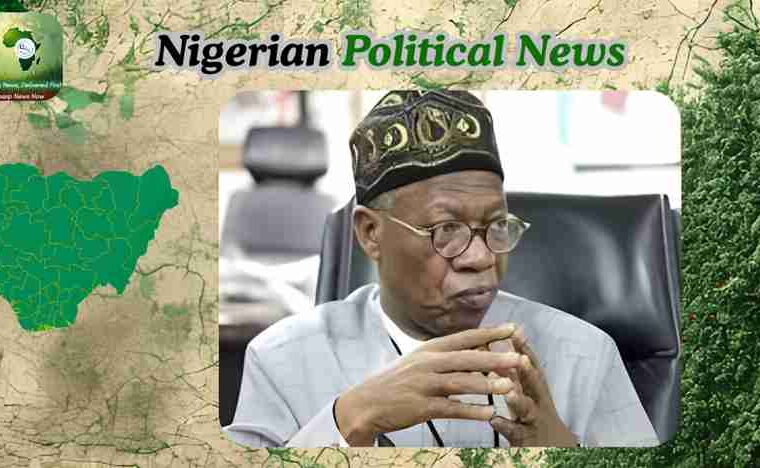
Former Minister of Information and Culture, Lai Mohammed, has argued that the outcome of Nigeria’s 2023 presidential election would not have changed in favor of Peter Obi, even if the Labour Party candidate had significantly increased his nationwide vote tally.
According to Mohammed, presidential elections in Nigeria are decided by more than just the total number of votes received, making constitutional requirements a critical factor in determining the eventual winner.
Constitutional Threshold Remains Key Issue
Speaking during a recent podcast interview, Lai Mohammed maintained that obtaining millions of votes alone would not have been enough for Peter Obi to secure the presidency.
He explained that Nigerian electoral laws require candidates to achieve broad geographical support across the federation in addition to winning a substantial number of votes nationally.
In his assessment, Obi’s campaign failed to meet the constitutional spread necessary to satisfy those requirements during the 2023 contest.
Questions Raised Over Nationwide Electoral Structure
Beyond vote totals, Mohammed also pointed to campaign organization and election-day operations as factors that affected the Labour Party’s performance.
He suggested that the party’s inability to establish representation across thousands of polling units limited its overall effectiveness during the election.
For him, a successful presidential campaign requires not only popular support but also an extensive nationwide structure capable of monitoring and protecting votes throughout the country.
Ethnicity and Religion Influenced Voting Patterns
Another issue highlighted by Lai Mohammed was the role of ethnic and religious sentiments during the election cycle.
He argued that these factors became particularly visible in certain regions and contributed to shifts in voter behavior.
According to the former minister, political alignments in some areas reflected considerations that went beyond traditional party loyalty, creating a unique electoral environment.
Youth Discontent Played a Major Role
Mohammed also linked part of the election dynamics to the mood among younger Nigerians.
He suggested that lingering frustrations from previous national events, including the aftermath of the #EndSARS movement, influenced the choices of many young voters.
In his view, this dissatisfaction translated into resistance against the ruling All Progressives Congress (APC) and affected perceptions of its presidential candidate, Bola Ahmed Tinubu.
Why Presidential Elections Differ From Local Contests
The former minister further distinguished presidential elections from governorship and legislative races.
He explained that voters often feel a closer connection to local candidates because they are more visible within their communities and directly involved in local affairs.
Presidential contests, he argued, operate differently because candidates campaign across an entire nation, making personal relationships with voters less direct than in state or constituency elections.
Mohammed Praises Tinubu’s Political Approach
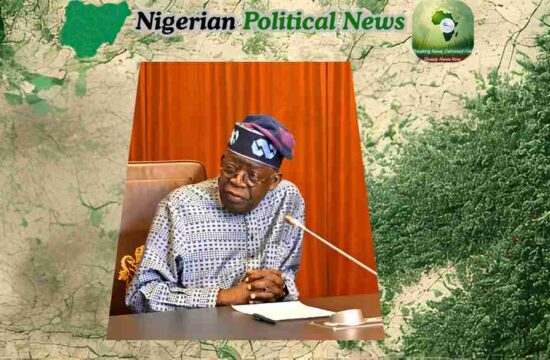
During the discussion, Lai Mohammed also spoke positively about President Bola Ahmed Tinubu’s leadership style and political character.
He described the president as a leader who continues to maintain relationships with political allies regardless of electoral outcomes.
According to Mohammed, Tinubu’s ability to support associates during both victories and setbacks has contributed to his enduring influence within Nigerian politics.
Strategic Strength Often Underestimated
Gossip News Now reports that Mohammed concluded his remarks by emphasizing what he sees as one of Tinubu’s greatest political advantages—his strategic thinking.
He suggested that the president’s calm disposition can sometimes cause opponents and observers to underestimate the depth of his political calculations.
For that reason, Mohammed believes many people fail to fully appreciate the experience and understanding Tinubu brings to national politics.
Analysis: Revisiting the Debate Around the 2023 Election
The comments from Lai Mohammed are likely to reignite discussions surrounding the factors that shaped the 2023 presidential election.
Supporters of different political parties continue to debate whether electoral success should be measured primarily by total votes or by the constitutional framework that governs presidential contests in Nigeria.
While opinions remain divided, Mohammed’s argument centers on the importance of nationwide support, organizational reach, and constitutional compliance. As political stakeholders begin looking ahead to future elections, questions about electoral strategy, voter demographics, and geographic spread are expected to remain central to political discourse across the country.
© 2025 Gossip News Now, a division of CHIEJOS HARBIAN DIGITAL MEDIA LTD. Contact us via admin@gossipnewsnow.online