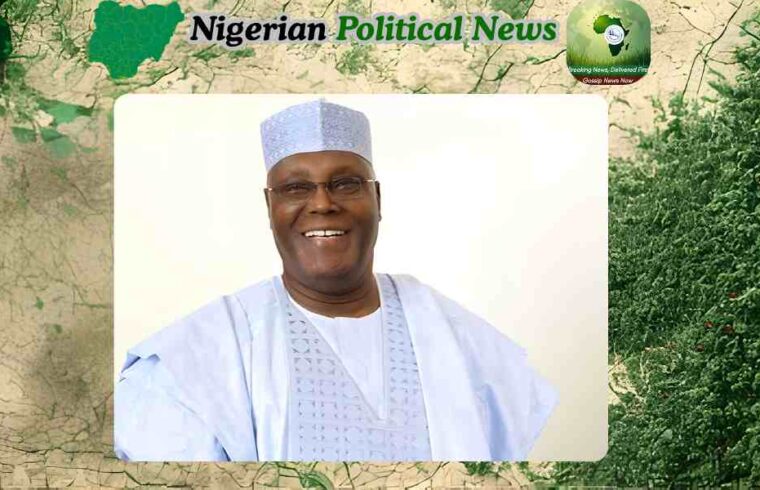
For Nigerian students and families struggling with the cost of education, student loans have become an increasingly important part of the political debate ahead of the 2027 presidential election. The presidential candidate of the African Democratic Congress (ADC), Atiku Abubakar, has now proposed reviewing the Nigerian Education Loan Fund (NELFUND) policy if elected president, with a plan that he says would reduce education costs and provide debt forgiveness for qualifying students.
At a Glance
- Proposal: Atiku Abubakar says he would review the NELFUND policy if elected president in 2027.
- Education costs: His proposed approach would seek to reduce the underlying cost of education.
- Student debt: He has proposed forgiveness for qualifying student debts after the policy review.
- Political context: The proposal was presented in response to President Bola Tinubu’s criticism of Atiku’s economic proposals.
- Source of the announcement: Atiku’s senior special assistant on public communication, Phrank Shaibu, disclosed the position in a statement on Tuesday.
What Happened?
Atiku, who is seeking the presidency under the ADC, has pledged to review the existing NELFUND policy if he wins the 2027 presidential election.
According to his senior special assistant on public communication, Phrank Shaibu, the proposed review would focus on reducing the underlying cost of education while creating room for forgiveness of student debts for those who meet the proposed qualifying conditions.
Shaibu said Atiku’s position was in response to criticism from President Bola Tinubu over the former vice-president’s economic proposals ahead of the 2027 general election.
The proposal, as presented by Atiku’s camp, places the cost of education and the burden of student borrowing at the centre of its education policy argument.
The Background
Shaibu said Atiku believes that access to education should not leave young Nigerians carrying significant debt into their working lives.
He argued that addressing education affordability should go beyond providing students with loans to meet rising costs.
According to Shaibu, Atiku’s proposed approach would therefore seek to address the cost of education itself while also considering relief for qualifying student borrowers.
The proposal remains a campaign commitment tied to Atiku’s stated intention to seek the presidency in 2027. The statement provided does not set out the specific criteria that would determine which student debts qualify for forgiveness or provide details of how the proposed changes would be implemented.
What Atiku’s Camp Is Saying
Shaibu said Atiku had reviewed the current student-loan policy and believes a different approach is needed.
He said:
“The good news for Nigerian students is that Atiku has reviewed the current student-loan policy.”
Shaibu added that the proposed approach would seek to reduce the underlying cost of education and, following the review, provide forgiveness for qualifying student debts.
He said the objective would be to ensure that young Nigerians do not complete their education facing repayment burdens.
Shaibu also criticised the approach of increasing education costs while providing loans to students to cope with those costs.
He described a student loan as a liability rather than a scholarship and argued that the effectiveness of an education policy should be measured by whether ordinary families can educate their children without being pushed into debt.
What Does The Proposal Mean?
Atiku’s proposal puts two related issues at the centre of the education debate: the cost of obtaining an education and the debt students may incur while trying to pay for it.
Rather than focusing only on access to loans, his camp is arguing for measures that would reduce education costs and potentially remove some existing repayment obligations for qualifying borrowers.
However, the statement does not provide details on the proposed scale of debt forgiveness, the eligibility requirements, the funding arrangements or the specific changes that would be made to NELFUND.
Those details would be necessary to assess how the proposal could work in practice.
The Political Implications
The proposal gives Atiku another policy issue through which to present his 2027 political platform, particularly on an issue directly connected to young Nigerians and their families.
By focusing on education affordability and student debt, his campaign is contrasting its proposed approach with the current student-loan system and making education financing part of the broader debate over economic policy.
Shaibu’s statement also shows that the issue is connected to the wider political disagreement between Atiku’s camp and the Tinubu administration over competing economic proposals.
However, the material available does not establish how Nigerian students or voters will respond to the proposal.
Questions To Consider
- What criteria should determine which student debts qualify for forgiveness?
- Should education policy focus more heavily on reducing the cost of education before relying on student loans?
- How could any proposed changes to NELFUND be implemented if Atiku wins the 2027 election?
- What other education-financing proposals will emerge from the presidential candidates ahead of the election?
Editorial Wrap-Up
Atiku’s proposed review of NELFUND places student debt and the cost of education among the issues he is putting forward as part of his 2027 presidential platform.
His camp says the proposed policy would seek to reduce education costs and provide forgiveness for qualifying student debts, while arguing that loans should not become the primary means through which ordinary families cope with expensive education.
For now, the proposal remains a campaign pledge, with important details about eligibility, implementation and funding yet to be provided in the statement. Its place in the 2027 political debate will depend on how Atiku and other political contenders develop their education policies as the election approaches.